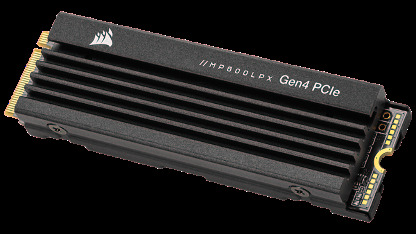
Corsair MP600 Pro XT 4TB PCIe 4.0 NVMe SSD Review (2026)
Quick answer
Buy the Corsair MP600 Pro XT 4TB if you need maximum PCIe 4.0 speed with high endurance and do not mind the height of the included heatsink.
Read: 7100 MB/s Write: 6800 MB/s Endurance: 3000 TBW Warranty: 5 years Interface: M.2 4.0 x 4
The Corsair MP600 Pro XT 4TB represents the upper tier of PCIe 4.0 NVMe performance, combining Phison E18 power with 3,000 TBW endurance that outlasts most competitors.
Controller & Memory
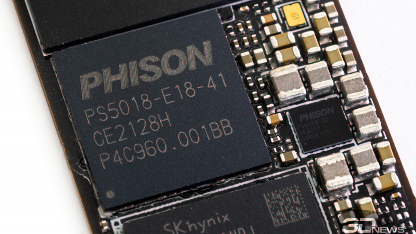
Inside the MP600 Pro XT 4TB you will find Phison PS5018-E18 controller paired with 3D TLC NAND and 2GB of DDR4 DRAM cache. This is Corsair's second-generation PCIe 4.0 drive, moving past the original MP600 that used the older E16 controller. The E18 is what enthusiasts expect in 2024 from a flagship PCIe 4.0 drive, delivering the sequential speeds that matter for large file transfers and game installs.
The 4TB capacity is where this drive makes sense. At 4TB you get the full 7,100 MB/s read and 6,800 MB/s write ratings, plus the highest 3,000 TBW endurance in the lineup. Smaller capacities sacrifice both speed and longevity. This drive targets gamers with massive libraries, content creators working with 4K video, and anyone who needs local storage that does not choke on sustained writes.
Corsair ships the MP600 Pro XT with a substantial aluminum heatsink pre-attached. That matters because the E18 controller can run hot under load, and thermal throttling would otherwise cut into performance. The heatsink adds height, so check clearance in ITX builds or PS5 expansion slots before buying. It is designed primarily for desktop motherboards with M.2 heatsink spacing.
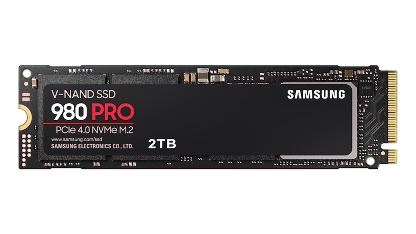
Competitors at this level include the Samsung 980 Pro, WD Black SN850X, and Seagate FireCuda 530. All use similar E18 or custom flagship controllers. The MP600 Pro XT holds its own in sustained write performance, where some drives drop after their SLC cache fills. Corsair's implementation tends to maintain closer to its rated speeds longer, which matters for the 100GB+ file transfers video editors and 3D artists perform regularly.
Storage Comparisons:
MP600 Pro XT Performance & Benchmarks
Rated at up to 7,100 MB/s sequential reads and 6,800 MB/s writes, the MP600 Pro XT 4TB hits the practical ceiling of PCIe 4.0 x4. Random performance comes in at up to 1,000,000 read IOPS and 1,200,000 write IOPS. That translates to faster game load times versus SATA SSDs and snappier OS responsiveness. In real-world use, you are looking at boot times under 10 seconds and level loads that do not leave you waiting.
Corsair MP600 Pro XT 4 TB vs M.2 4.0 x 4 peers
Switch between sequential throughput and random IOPS to see how this drive stacks up against other M.2 4.0 x 4 SSDs in our database. The highlighted bar is the drive on this page — click any other bar to open that drive.
- Patriot Viper PV593 1 TB: 14,500 MB/s read, 14,000 MB/s write
- Patriot Viper PV593 2 TB: 14,500 MB/s read, 14,000 MB/s write
- Patriot Viper PV593 4 TB: 14,500 MB/s read, 14,000 MB/s write
- Patriot Viper PV573 2 TB: 14,000 MB/s read, 12,000 MB/s write
- Corsair MP600 Pro XT 4 TB (this drive): 7,100 MB/s read, 6,800 MB/s write
The SLC caching strategy lets the drive burst at high speeds for everyday tasks. Most consumer workloads never exceed the cache. If you do push past it with sustained writes, the MP600 Pro XT drops gracefully rather than plummeting. Independent testing shows it maintains roughly half to two-thirds of its rated speed even after the SLC buffer exhausts, which is better than many PCIe 4.0 drives that fall back to SATA-like speeds.
Gaming performance is excellent but comparable to other high-end PCIe 4.0 drives. DirectStorage titles will benefit from the throughput and IOPS, but you will not see a dramatic difference between this drive and a Samsung 980 Pro in frame rates. The advantage shows in texture streaming and open-world load elimination.
Corsair MP600 Pro XT vs Competitors
See how the MP600 Pro XT stacks up against other M.2 4.0 x 4 drives in our database:
Compare with rival drives:
Endurance, TBW & Warranty
Corsair backs the MP600 Pro XT 4TB with a 5-year warranty. The endurance rating is 3,000 TBW, meaning you can write 3,000 terabytes before the warranty is voided. That is substantial for a consumer drive. At a typical 50 GB per day write workload, it would take over 160 years to exhaust. Even heavy users writing 200 GB daily get around 40 years. Most people upgrade their drive long before hitting that limit.
The warranty is direct with Corsair, which has a reasonable RMA process. TBW is the primary limiting factor, not time. If you exceed 3,000 TBW within five years, the drive is no longer covered. Realistically, only enterprise workloads or constant scratch-disk usage in professional editing would approach that. For gamers and creators, this endurance rating is overkill in the best way.
Corsair MP600 Pro XT 4 TB Specifications
| Category | Value |
|---|---|
| Capacity [?] | 4 TB |
| Interface [?] | M.2 4.0 x 4 |
| Controller [?] | Phison PS5018-E18 |
| Memory type [?] | 3d TLC |
| DRAM [?] | 2GB DDR4 |
| Read speed (MB/s) [?] | 7100 |
| Write speed (MB/s) [?] | 6800 |
| Read IOPS [?] | 1000000 |
| Write IOPS [?] | 1200000 |
| Endurance (TBW) [?] | 3000 |
| MTBF (million hours) [?] | 2000000 |
| Warranty (years) [?] | 5 |
Verdict: Is the MP600 Pro XT Worth It in 2026?
Buy the Corsair MP600 Pro XT 4TB if you need maximum PCIe 4.0 speed with high endurance and do not mind the height of the included heatsink. It is an excellent choice for PS5 expansion, a Steam library drive, or a video editing scratch disk where sustained write performance matters. Skip it if you are building a compact ITX system or need the absolute fastest random IOPS for database work. Consider the WD Black SN850X if you want slightly better random performance, or the Samsung 980 Pro if you prefer a slimmer profile without the pre-attached heatsink. The MP600 Pro XT delivers where it counts: sustained throughput and endurance that justify the price for 4TB buyers.
+ Pros
- 7,100 MB/s sequential reads and 6,800 MB/s writes
- 3,000 TBW endurance on the 4TB model
- Phison E18 controller with mature firmware
- 2GB DDR4 DRAM cache for consistent performance
- Substantial aluminum heatsink pre-attached
- Sustained write performance remains strong after SLC cache fills
- 5-year warranty with high TBW rating
- Cons
- Tall heatsink may not fit all ITX builds or PS5 without modification
- No hardware encryption
- Price premium over DRAM-less PCIe 4.0 alternatives
- Power consumption higher than PCIe 3.0 drives
Buy this or similar SSD Storage:
Video Review
Corsair MP600 Pro XT Review