ADATA XPG Gammix S70 Blade 1TB PCIe 4.0 NVMe SSD Review (2026)
Quick answer
Buy the ADATA XPG Gammix S70 Blade 1 TB if you want a PCIe 4.0 drive with DRAM cache, PS5 compatibility, and strong sequential performance without paying flagship prices.
Read: 7400 MB/s Write: 5500 MB/s Endurance: 740 TBW Warranty: 5 years Interface: M.2 4.0 x 4
The ADATA XPG Gammix S70 Blade 1 TB remains a solid PCIe 4.0 NVMe choice in 2026, combining Innogrit's IG5236 controller with Micron 176-layer TLC NAND and hitting 7,400 MB/s sequential reads with PS5 compatibility.
Controller & Memory
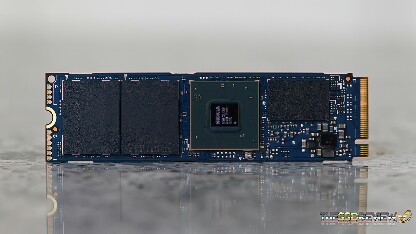
ADATA's XPG Gammix S70 Blade 1 TB pairs Innogrit's IG5236 "Rainier" controller with Micron 176-layer 3D TLC NAND B47R and a DRAM cache buffer for sustained performance. The M.2 2280 form factor fits desktops and most laptops, and ADATA includes a thin heatsink in the box—essential for PCIe 4.0 drives, though motherboard M.2 shields often provide better thermal headroom. This drive sits in the mainstream PCIe 4.0 tier, offering Gen4 speeds without the flagship price tag.
The 1 TB capacity serves as the sweet spot for a primary OS and game library drive. ADATA also offers this series in 512 GB and 2 TB variants, with sequential write speeds scaling up on larger capacities (this 1 TB model is rated at 5,500 MB/s writes, while the 2 TB hits 6,800 MB/s). Competition includes the WD Black SN770, Kingston KC3000, and Samsung 980 Pro, all of which target similar gaming and creator workloads. For PS5 expansion specifically, the S70 Blade meets Sony's 5,500+ MB/s read requirement and includes a heatsink that fits within the console's 11.25 mm height limit.
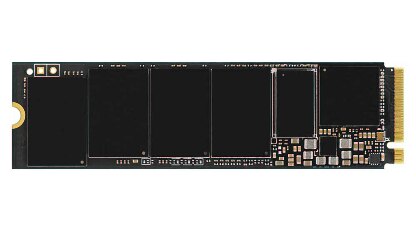
Inside, the dual-sided PCB carries four NAND packages and 1 GB of Samsung DDR4-2666 DRAM cache. The DRAM buffer keeps the NAND mapping tables in fast memory, preventing the performance drops that plague DRAM-less drives under sustained random workloads. Independent reviewers consistently note the S70 Blade delivers strong real-world gaming performance and file transfer speeds, though thermal throttling can occur without adequate cooling during extended write sessions.
Storage Comparisons:
XPG Gammix S70 Blade Performance & Benchmarks
Rated for up to 7,400 MB/s sequential reads and 5,500 MB/s sequential writes on the 1 TB model, the S70 Blade sits near the top of the PCIe 4.0 stack. Random 4K performance hits up to 740,000 IOPS for both reads and writes, translating to snappy OS responsiveness and quick game load times. These are manufacturer-rated figures; independent reviews confirm the drive approaches these numbers in CrystalDiskMark and ATTO, with real-world file copies landing in the 4,000–5,000 MB/s range for large transfers.
ADATA XPG Gammix S70 Blade 1 TB vs M.2 4.0 x 4 peers
Switch between sequential throughput and random IOPS to see how this drive stacks up against other M.2 4.0 x 4 SSDs in our database. The highlighted bar is the drive on this page — click any other bar to open that drive.
- Patriot Viper PV593 1 TB: 14,500 MB/s read, 14,000 MB/s write
- Patriot Viper PV593 2 TB: 14,500 MB/s read, 14,000 MB/s write
- Patriot Viper PV593 4 TB: 14,500 MB/s read, 14,000 MB/s write
- Patriot Viper PV573 2 TB: 14,000 MB/s read, 12,000 MB/s write
- ADATA XPG Gammix S70 Blade 1 TB (this drive): 7,400 MB/s read, 5,500 MB/s write
Like most TLC-based NVMe drives, the S70 Blade uses an SLC caching scheme to accelerate burst writes. The cache size varies by capacity—expect roughly 100–150 GB of SLC cache on the 1 TB model before write speeds drop to native TLC levels. For typical gaming and productivity workloads, this cache behavior is invisible. Video editors pushing multi-hundred-gigabyte files may notice the drop-off after the cache exhausts. Compared to SATA SSDs, the S70 Blade delivers 6–7x faster sequential throughput and significantly lower latency, making it a worthwhile upgrade for any system with a PCIe 4.0 M.2 slot. PS5 users will see around 6,100 MB/s reads in Sony's I/O test—well above the 5,500 MB/s recommended threshold.
ADATA XPG Gammix S70 Blade vs Competitors
See how the XPG Gammix S70 Blade stacks up against other M.2 4.0 x 4 drives in our database:
Compare with rival drives:
Endurance, TBW & Warranty
ADATA backs the S70 Blade 1 TB with a 5-year limited warranty, standard for this tier. Endurance is rated at 740 TBW, which translates to roughly 200 GB of writes per day over the drive's warranty period. For typical consumer workloads—OS boot, program installs, game downloads, and occasional large file transfers—that's decades of usable life. Even heavy content creators writing 1 TB daily would exhaust the TBW rating in about two years, still within the warranty window. The MTBF rating isn't prominently published, but the Micron TLC NAND and Innogrit controller have a solid track record in consumer drives. ADATA handles RMAs directly through their website, so keep your purchase documentation accessible if you ever need to exercise the warranty.
ADATA XPG Gammix S70 Blade 1 TB Specifications
| Category | Value |
|---|---|
| Capacity [?] | 1 TB |
| Interface [?] | M.2 4.0 x 4 |
| Controller [?] | Innogrit IG5236 |
| Memory type [?] | Micron 176-layer 3D TLC NAND |
| DRAM [?] | DRAM cache buffer |
| Read speed (MB/s) [?] | 7400 |
| Write speed (MB/s) [?] | 5500 |
| Read IOPS [?] | 650000 |
| Write IOPS [?] | 740000 |
| Endurance (TBW) [?] | 740 |
| MTBF (million hours) [?] | 2000000 |
| Warranty (years) [?] | 5 |
Verdict: Is the XPG Gammix S70 Blade Worth It in 2026?
Buy the ADATA XPG Gammix S70 Blade 1 TB if you want a PCIe 4.0 drive with DRAM cache, PS5 compatibility, and strong sequential performance without paying flagship prices. It's particularly well-suited as a PS5 expansion drive or a primary OS/games drive in a desktop with motherboard M.2 cooling. Consider the WD Black SN770 or Samsung 980 Pro if you prioritize lower power consumption or have a Samsung-centric ecosystem, but the S70 Blade holds its own on value. The included heatsink is serviceable but thin— enthusiasts with robust motherboard cooling should use that instead.
+ Pros
- 7,400 MB/s sequential reads meet PS5 requirements
- DRAM cache buffer for consistent random performance
- 740 TBW endurance with 5-year warranty
- Includes heatsink compatible with PS5 and laptops
- Innogrit IG5236 controller with Micron 176-layer TLC NAND
- Strong real-world gaming performance and file transfer speeds
- Cons
- Write speeds drop after SLC cache exhausts during sustained transfers
- Included heatsink is thin—motherboard shields recommended for heavy workloads
- Can throttle without adequate cooling under prolonged write loads
- 1 TB variant slower than 2 TB (5,500 vs 6,800 MB/s writes)
Buy this or similar SSD Storage:



Video Review
XPG GAMMIX S70 BLADE SSD Review - New Phison Killer?