ADATA XPG Gammix S50 1TB Review — First-Gen PCIe 4.0 NVMe SSD (2026)
Quick answer
The ADATA XPG Gammix S50 1 TB is a first-gen PCIe 4.0 drive that has aged in an unusual way: its sequential speeds are now mid-pack, but its 1,800 TBW endurance rating and 8-channel DRAM-equipped controller are assets that no modern budget drive can match.
Read: 5000 MB/s Write: 4400 MB/s Endurance: 1800 TBW Warranty: 5 years Interface: M.2 4.0 x 4
The ADATA XPG Gammix S50 1 TB is a first-generation PCIe 4.0 drive that pairs the Phison E16 controller with Toshiba TLC and a DRAM cache, and its standout feature is a 1,800 TBW endurance rating that still embarrasses most modern SSDs.
Controller & Memory
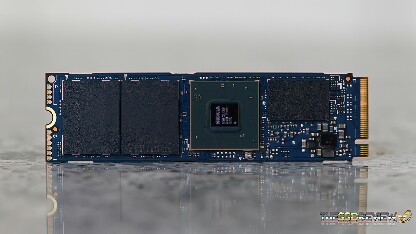
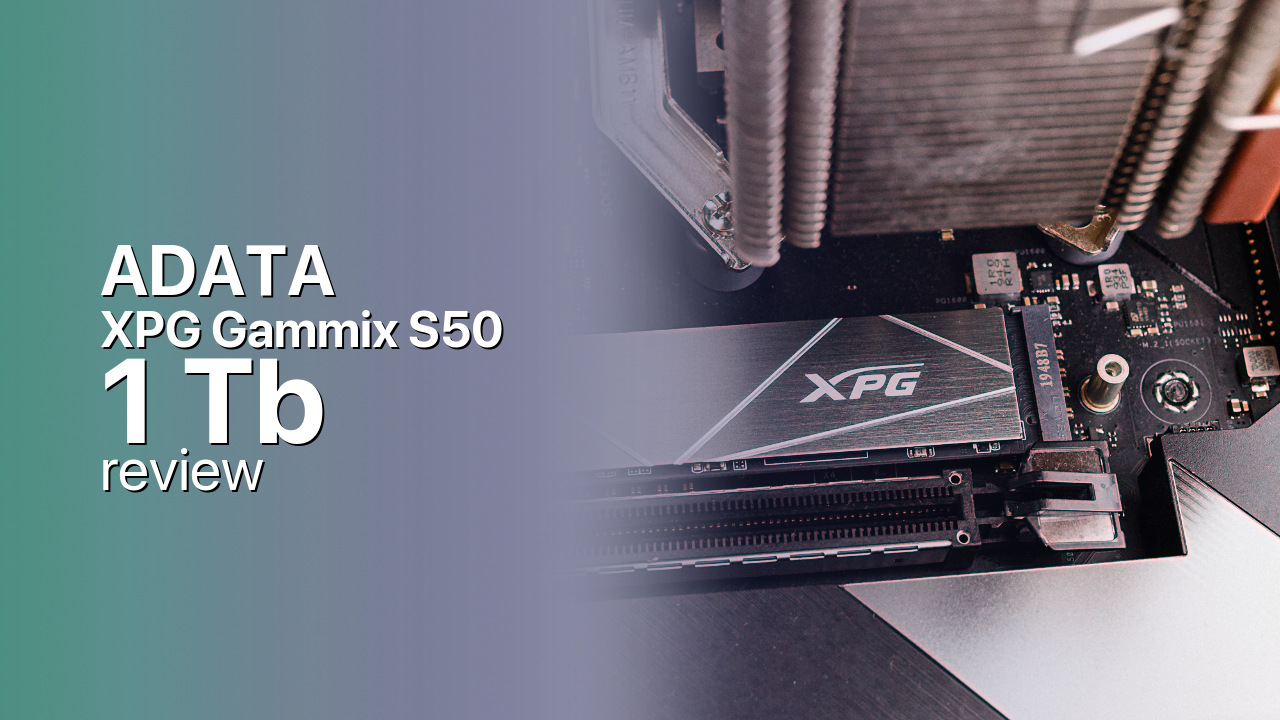
The XPG Gammix S50 is built on the Phison PS5016-E16, the first consumer PCIe 4.0 controller to reach the market. It is an 8-channel design with a dedicated DRAM cache — ADATA pairs it with Toshiba 3D TLC NAND (96-layer BiCS4) and a DDR4 DRAM buffer. The drive uses the PCIe 4.0 x4 interface on an M.2 2280 form factor and ships with a slim aluminium heatsink on some SKUs, though the controller runs hot enough under sustained load that a heatsink or direct airflow is strongly recommended.
ADATA also offered the S50 in a 2 TB capacity, which reportedly doubled the endurance to 3,600 TBW. The 1 TB variant reviewed here was the volume seller and remains an interesting option on the used or clearance market — it brings PCIe 4.0 connectivity, an 8-channel DRAM controller, and an endurance rating that no current budget drive can touch. The S50 was among the very first PCIe 4.0 drives alongside the Corsair MP600, Sabrent Rocket 4.0, and Gigabyte Aorus NVMe Gen4 — all of which use the same Phison E16 platform with nearly identical specifications.
By today's standards the S50's 5,000/4,400 MB/s sequential speeds are modest — modern DRAM-less HMB drives surpass them, and second-gen PCIe 4.0 flagships double the throughput. But the E16's 8-channel architecture and dedicated DRAM give it an advantage in sustained mixed workloads that budget DRAM-less drives cannot replicate. The S50 competes today against drives like the WD Black SN770 and the Samsung 980 Pro on the used market, where its value proposition hinges on endurance and consistency rather than peak throughput.
Storage Comparisons:
XPG Gammix S50 Performance & Benchmarks
The 1 TB S50 is rated for up to 5,000 MB/s sequential reads and 4,400 MB/s sequential writes — figures that were groundbreaking in 2019 when the Phison E16 debuted but now sit below many DRAM-less PCIe 4.0 drives. Random performance is rated at up to 750,000 IOPS for both reads and writes, a consequence of the 8-channel controller and DRAM buffer. In practice, game load times and OS responsiveness are indistinguishable from any NVMe drive — the gap between 5,000 MB/s and 7,400 MB/s is invisible outside of sustained large-file copies.
ADATA XPG Gammix S50 1 TB vs M.2 4.0 x 4 peers
Switch between sequential throughput and random IOPS to see how this drive stacks up against other M.2 4.0 x 4 SSDs in our database. The highlighted bar is the drive on this page — click any other bar to open that drive.
- Patriot Viper PV593 1 TB: 14,500 MB/s read, 14,000 MB/s write
- Patriot Viper PV593 2 TB: 14,500 MB/s read, 14,000 MB/s write
- Patriot Viper PV593 4 TB: 14,500 MB/s read, 14,000 MB/s write
- Patriot Viper PV573 2 TB: 14,000 MB/s read, 12,000 MB/s write
- ADATA XPG Gammix S50 1 TB (this drive): 5,000 MB/s read, 4,400 MB/s write
The Phison E16 uses a large SLC write cache — roughly 150—180 GB on the 1 TB model based on independent testing of the platform — and direct-to-TLC writes settle in the 1,200—1,500 MB/s range after the cache fills. This is slower than second-gen PCIe 4.0 drives but still faster than SATA and most DRAM-less designs. The E16 controller is known to run hot: without a heatsink or direct airflow, sustained sequential writes will push the controller past 75 °C and trigger thermal throttling within minutes. A motherboard M.2 heatsink or even modest case airflow resolves this. The drive is not suitable for a fanless laptop or a sealed chassis without thermal provisions — the E16 was designed for desktop use.
ADATA XPG Gammix S50 vs Competitors
See how the XPG Gammix S50 stacks up against other M.2 4.0 x 4 drives in our database:
Compare with rival drives:
Endurance, TBW & Warranty
The 1 TB XPG Gammix S50 carries a 1,800 TBW endurance rating and a 5-year limited warranty — one of the highest TBW figures ever offered on a consumer 1 TB SSD. At a typical desktop write rate of 20—50 GB per day, this works out to roughly 100 to 250 years of usable life, meaning the warranty clock will almost certainly run out before the NAND approaches its endurance ceiling. The MTBF is rated at 1.7 million hours. For context, modern flagships like the Samsung 990 Pro 1 TB are rated at 600 TBW and the WD Black SN850X 1 TB at 600 TBW — the S50 offers triple the endurance. The Phison E16 platform was engineered with heavy over-provisioning and conservative NAND management, which is why these first-gen PCIe 4.0 drives carry endurance ratings that look absurd by today's standards. ADATA handles warranty claims through its standard RMA process.
ADATA XPG Gammix S50 1 TB Specifications
| Category | Value |
|---|---|
| Capacity [?] | 1 TB |
| Interface [?] | M.2 4.0 x 4 |
| Controller [?] | Phison PS5016-E16 |
| Memory type [?] | Toshiba 3D TLC |
| DRAM [?] | SLC Caching and DRAM cache buffer |
| Read speed (MB/s) [?] | 5000 |
| Write speed (MB/s) [?] | 4400 |
| Read IOPS [?] | 750000 |
| Write IOPS [?] | 750000 |
| Endurance (TBW) [?] | 1800 |
| MTBF (million hours) [?] | 1.7 |
| Warranty (years) [?] | 5 |
Verdict: Is the XPG Gammix S50 Worth It in 2026?
The ADATA XPG Gammix S50 1 TB is a first-gen PCIe 4.0 drive that has aged in an unusual way: its sequential speeds are now mid-pack, but its 1,800 TBW endurance rating and 8-channel DRAM-equipped controller are assets that no modern budget drive can match. It makes sense as a used-market pickup or a clearance-shelf find for a desktop builder who values endurance and sustained-write consistency over peak throughput. Skip the S50 if thermal headroom is limited — the E16 controller demands a heatsink and airflow, and it is a poor fit for laptops or fanless mini-PCs. For a modern alternative with similar or better speeds and lower power draw, the WD Black SN770 1 TB is a DRAM-less PCIe 4.0 drive that runs cooler and costs less at retail. The S50 was the first wave of PCIe 4.0, and while it has been surpassed in speed, its endurance numbers remain untouchable.
+ Pros
- 1,800 TBW endurance — triple most modern 1 TB SSDs
- 8-channel Phison E16 controller with dedicated DRAM cache
- 5,000 MB/s reads on PCIe 4.0
- 5-year warranty
- Sustained mixed-workload consistency beats DRAM-less designs
- Toshiba BiCS4 TLC NAND with conservative over-provisioning
- Cons
- Phison E16 runs hot and demands a heatsink under sustained load
- 4,400 MB/s writes trail modern PCIe 4.0 drives
- Poor fit for laptops due to thermals and power draw
- First-gen PCIe 4.0 — second-gen drives double the throughput
- Limited retail availability — mostly found on the used market
Buy this or similar SSD Storage:



Video Review
Are Budget PCIe 4 SSDs Worth It?? - ADATA XPG GAMMIX S50 Lite