ADATA XPG Spectrix S40G RGB 256GB Review — RGB PCIe 3.0 NVMe (2026)
Quick answer
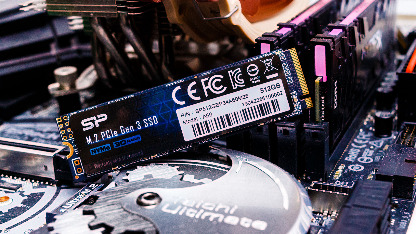
The ADATA XPG Spectrix S40G RGB 256GB is a PCIe 3.0 NVMe SSD that prioritizes aesthetics alongside performance.
Read: 3500 MB/s Write: 3000 MB/s Endurance: 160 TBW Warranty: 5 years Interface: M.2 3.0 x 4
The ADATA XPG Spectrix S40G RGB 256GB pairs near-maximum PCIe 3.0 speeds with programmable RGB lighting, targeting builders who want their storage to match their aesthetic.
Controller & Memory
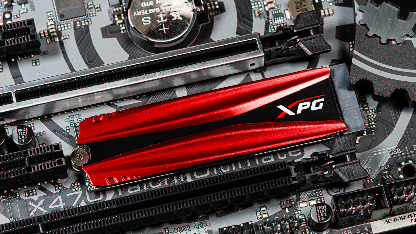
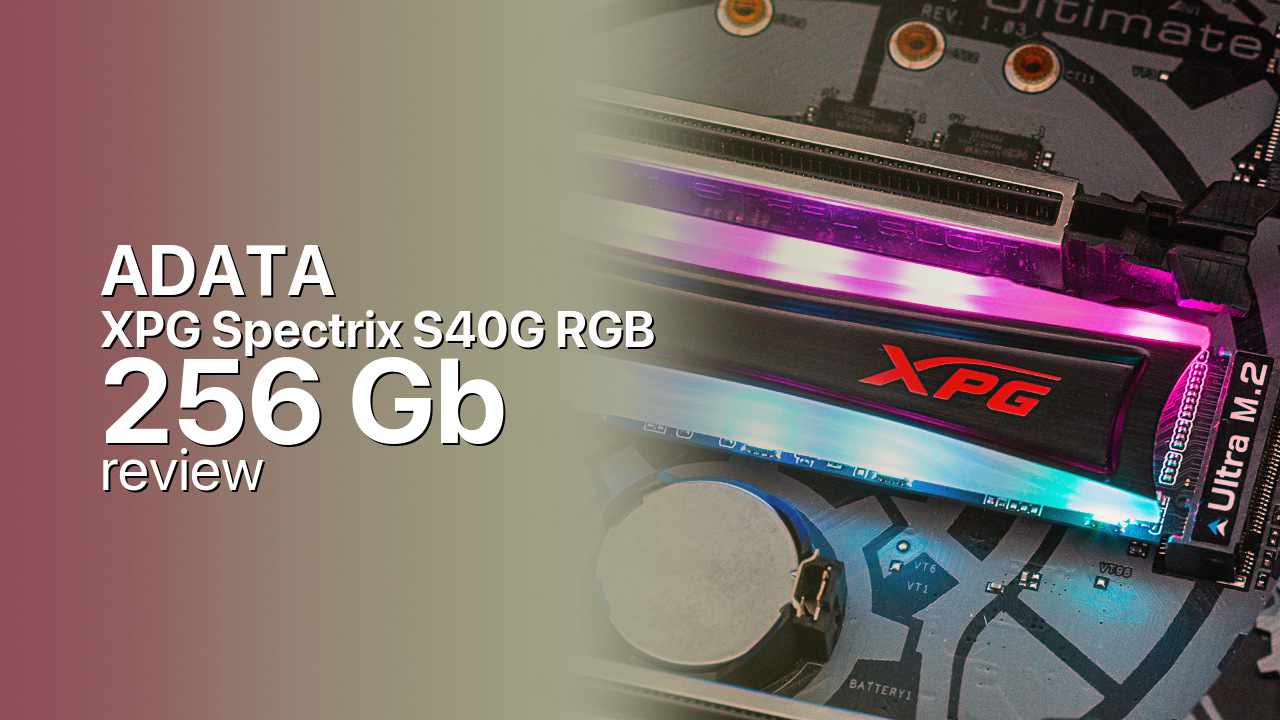
The ADATA XPG Spectrix S40G RGB 256GB uses the Realtek RTS5762 controller paired with IMFT (Intel-Micron Flash Technologies) 3D TLC NAND. Unlike many budget drives, the S40G RGB includes a dedicated DRAM cache, which improves random I/O consistency and sustained performance compared to DRAM-less HMB alternatives. The drive ships in an M.2 2280 form factor with a built-in RGB heat spreader that increases thickness to 8 mm — nearly triple a standard bare M.2 drive. The RGB lighting is software-controllable through ADATA's XPG software ecosystem.
ADATA rates the 256 GB model at 3,500 MB/s sequential reads and 3,000 MB/s sequential writes, with up to 390,000 random read and 380,000 random write IOPS. The read speed sits at the PCIe 3.0 x4 ceiling, and the 3,000 MB/s write speed is competitive for a 256 GB drive. Endurance is rated at 160 TBW with a five-year warranty, and the MTBF is 2 million hours. The Spectrix S40G RGB also ships in 512 GB, 1 TB, and 2 TB capacities, with the larger variants offering higher write speeds and endurance ratings.
The S40G RGB occupies the enthusiast segment of ADATA's PCIe 3.0 lineup. It is the aesthetic sibling of the XPG SX8200 Pro — sharing similar internals but adding the RGB heat spreader and targeting custom PC builders who want visible RGB storage. The 8 mm thickness of the RGB heat spreader is a practical consideration: it may interfere with GPU installation in tight Mini-ITX builds or block adjacent M.2 slots on some motherboards. Direct competitors include the Samsung 970 EVO 250GB and the WD Black SN750 250GB, both of which offer comparable or better performance without RGB lighting.
StorageReview's testing found the S40G RGB's real-world performance to be underwhelming relative to its on-paper specs. In synthetic and application benchmarks, the drive consistently ranked in the middle to lowest tier of its comparison group. The 4K random read performance reached approximately 208K IOPS in testing (below the 390K rated figure), and 64K sequential writes peaked at around 284 MB/s. The drive's performance does not fully justify its price premium over non-RGB alternatives with similar or faster internals.
Storage Comparisons:
XPG Spectrix S40G RGB Performance & Benchmarks
The ADATA XPG Spectrix S40G RGB 256GB is rated for 3,500 MB/s sequential reads and 3,000 MB/s sequential writes, with up to 390,000 random read and 380,000 random write IOPS. The 3,500 MB/s read speed hits the PCIe 3.0 x4 ceiling, and the 3,000 MB/s write speed is solid for a 256 GB drive. On paper, the S40G RGB competes with the best PCIe 3.0 drives of its generation. For users upgrading from SATA, the S40G RGB delivers more than a sixfold improvement in sequential reads — boot times and application launches will feel instantaneous.
ADATA XPG Spectrix S40G RGB 256 GB vs M.2 3.0 x 4 peers
Switch between sequential throughput and random IOPS to see how this drive stacks up against other M.2 3.0 x 4 SSDs in our database. The highlighted bar is the drive on this page — click any other bar to open that drive.
- ADATA XPG Spectrix S40G RGB 256 GB (this drive): 3,500 MB/s read, 3,000 MB/s write
- ADATA SX 8800 Pro 512 GB: 3,500 MB/s read, 2,700 MB/s write
- ADATA SX 8800 Pro 1 TB: 3,500 MB/s read, 2,700 MB/s write
- ADATA XPG Spectrix S40G RGB 512 GB: 3,500 MB/s read, 3,000 MB/s write
- ADATA XPG Spectrix S40G RGB 1 TB: 3,500 MB/s read, 3,000 MB/s write
The presence of a dedicated DRAM cache gives the S40G RGB an advantage over DRAM-less HMB drives in random I/O consistency and sustained workloads. The DRAM buffer stores the flash translation table on-die, reducing latency for random operations compared to drives that must fetch mapping data from NAND or system RAM.
However, independent testing by StorageReview found the S40G RGB's real-world performance lagging behind its rated specifications. In synthetic benchmarks, the drive consistently ranked in the middle to lowest tier of its comparison group. The 4K random read performance reached approximately 208K IOPS — notable but below the 390K rated figure — and 64K sequential writes peaked at only about 284 MB/s, well short of the 3,000 MB/s rated write speed under sustained conditions. The drive was described as "not a high performer" relative to competing storage models, with current pricing not adequately compensating for the measurable speed deficit against faster alternatives. The RGB heat spreader does add thermal mass, which helps with sustained performance, but it does not fully close the gap between rated and real-world speeds.
ADATA XPG Spectrix S40G RGB vs Competitors
See how the XPG Spectrix S40G RGB stacks up against other M.2 3.0 x 4 drives in our database:
Compare with rival drives:
Endurance, TBW & Warranty
ADATA backs the Spectrix S40G RGB 256GB with a five-year limited warranty, capped at 160 TBW (terabytes written). At a typical consumer write workload of 20 GB per day, 160 TBW translates to approximately 22 years of use — well beyond the five-year warranty period. Even at a heavier 50 GB per day, the drive would last roughly 9 years. The MTBF rating is 2 million hours, a population statistic indicating expected reliability across a large batch of drives rather than a guarantee of individual drive lifespan. ADATA provides the SSD Toolbox utility for monitoring drive health, checking remaining endurance, running diagnostics, and applying firmware updates. The five-year warranty covers manufacturing defects and does not extend to drives that exceed their TBW rating within the warranty period. The 160 TBW rating is standard for a 256 GB PCIe 3.0 drive — the Samsung 970 EVO 250GB is rated at 150 TBW, making the S40G RGB slightly higher.
ADATA XPG Spectrix S40G RGB 256 GB Specifications
| Category | Value |
|---|---|
| Capacity [?] | 256 GB |
| Interface [?] | M.2 3.0 x 4 |
| Controller [?] | Realtek RTS5762 |
| Memory type [?] | IMFT 3D TLC |
| DRAM [?] | Yes |
| Read speed (MB/s) [?] | 3500 |
| Write speed (MB/s) [?] | 3000 |
| Read IOPS [?] | 390000 |
| Write IOPS [?] | 380000 |
| Endurance (TBW) [?] | 160 |
| MTBF (million hours) [?] | 2 |
| Warranty (years) [?] | 5 |
Verdict: Is the XPG Spectrix S40G RGB Worth It in 2026?
The ADATA XPG Spectrix S40G RGB 256GB is a PCIe 3.0 NVMe SSD that prioritizes aesthetics alongside performance. Its 3,500/3,000 MB/s rated speeds and DRAM cache put it in the right class on paper, but independent testing found its real-world performance falling short of competitors like the Samsung 970 EVO and WD Black SN750, which cost similar amounts. The programmable RGB heat spreader is the drive's main differentiator — it looks great in a windowed build but adds 8 mm of thickness that can interfere with GPU installation in tight cases. If RGB lighting matters to you, the S40G RGB is a functional drive with visual appeal. If performance per dollar is the priority, the XPG SX8200 Pro or Samsung 970 EVO deliver more speed for similar money without the RGB premium.
+ Pros
- 3,500 MB/s reads at PCIe 3.0 x4 ceiling
- Dedicated DRAM cache for better random I/O consistency
- Programmable RGB lighting for custom builds
- Five-year warranty from ADATA
- 160 TBW endurance standard for 256 GB class
- Cons
- Real-world performance lags behind rated specifications
- 8 mm RGB heat spreader may interfere with GPU installation
- Priced above non-RGB alternatives with similar or better performance
- 256 GB capacity limited for modern game libraries
- RGB lighting adds no performance benefit
Buy this or similar SSD Storage:
Video Review
I can't believe this exists - XPG 1TB RGB M.2 Drive