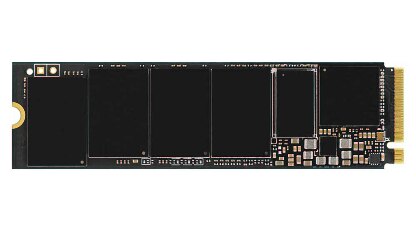
Intel Optane SSD 905P 960GB Review (2026)
Quick answer
The Intel Optane 905P 960GB is the ultimate consumer Optane drive, combining the largest available capacity with the class-leading random I/O consistency and endurance of 3D XPoint memory.
Read: 2600 MB/s Write: 2200 MB/s Endurance: 14600 TBW Warranty: 5 years Interface: PCIe 3.0 x 4 or U.2 2.5"
The Intel Optane 905P 960GB is the largest capacity in Intel's consumer Optane line, offering near-gigabyte-level 3D XPoint storage with 14,600 TBW endurance and the same consistent random I/O performance that defines the Optane family.
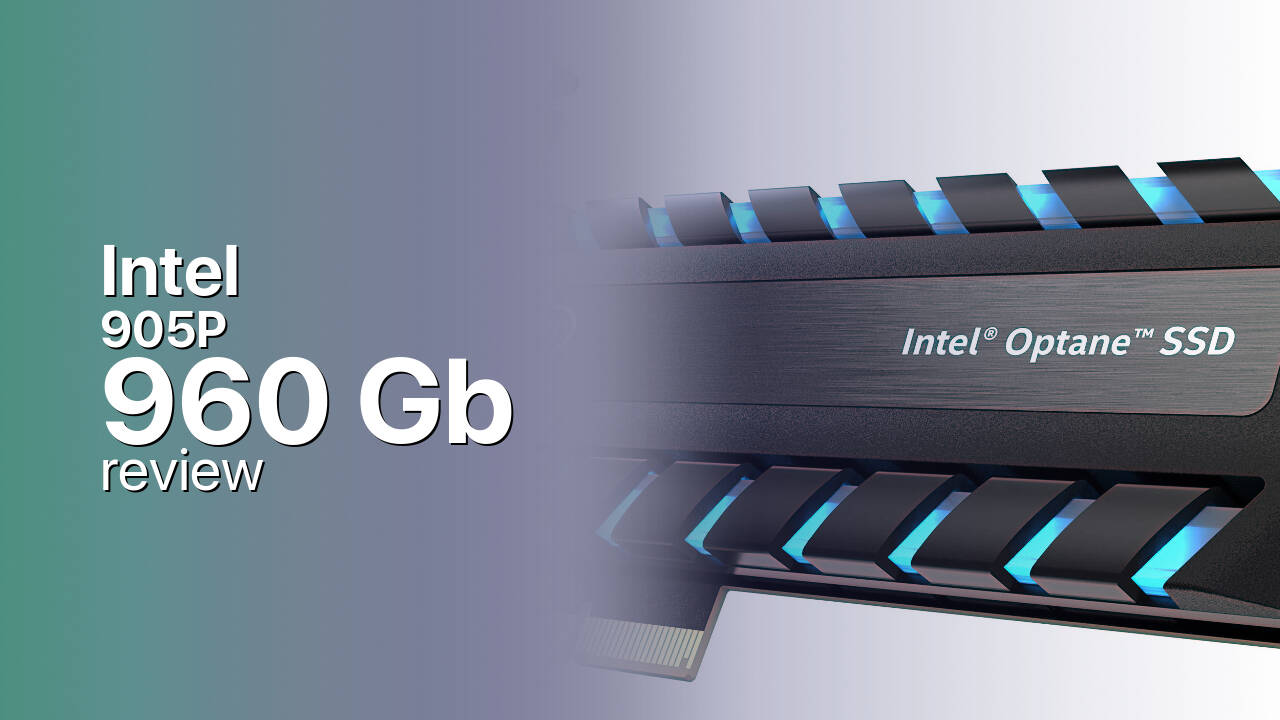
Controller & Memory
The 905P 960 GB uses Intel's second-generation 3D XPoint memory with the Intel EAU01D76 controller on PCIe 3.0 x4. It ships in either an add-in card (AIC) or U.2 2.5-inch form factor. The 960 GB capacity is the flagship of the 905P consumer line and represents the largest consumer Optane SSD Intel produced.
Sequential throughput reaches 2,600 MB/s reads and 2,200 MB/s writes, matching the smaller 905P models. Random IOPS are also consistent at 575,000 reads and 550,000 writes. Endurance scales to 14,600 TBW -- the highest in any consumer Optane drive. The key advantage of the 960 GB capacity is that it provides enough space for complete working datasets: full databases, multiple VM images, or large development environments can all reside on the fast 3D XPoint media.
The 905P 960 GB does not have a direct competitor. No other manufacturer offers a consumer 3D XPoint drive. The closest alternatives are high-end enterprise NVMe SSDs, which sacrifice consumer-friendly pricing for similar random I/O performance.
Storage Comparisons:
905P Performance & Benchmarks
Sequential reads of 2,600 MB/s and writes of 2,200 MB/s are the same as the smaller 905P models. Random IOPS at 575,000 reads and 550,000 writes are also unchanged. The 960 GB model does not gain peak performance from additional capacity -- it simply provides more space at the same performance level.
Intel 905P 960 GB vs PCIe 3.0 x 4 or U.2 2.5" peers
Switch between sequential throughput and random IOPS to see how this drive stacks up against other PCIe 3.0 x 4 or U.2 2.5" SSDs in our database. The highlighted bar is the drive on this page — click any other bar to open that drive.
- Intel 905P 960 GB (this drive): 2,600 MB/s read, 2,200 MB/s write
- Intel 905P 380 GB: 2,600 MB/s read, 2,200 MB/s write
- Intel 905P 480 GB: 2,600 MB/s read, 2,200 MB/s write
- Intel 900P 280 GB: 2,500 MB/s read, 2,000 MB/s write
- Intel 900P 480 GB: 2,500 MB/s read, 2,000 MB/s write
LegitReviews tested the 960 GB model and found it performed identically to the 380 GB and 480 GB models on most benchmarks, confirming that the performance scaling is flat across capacities. The advantage is that more data stays on the low-latency 3D XPoint media rather than being relegated to a slower secondary drive.
The 905P 960 GB dominates all NAND-based consumer SSDs on random I/O workloads, with latency consistency that no SLC-cached NAND drive can match. For sequential transfers, mainstream TLC drives at half the price offer higher throughput.
Endurance, TBW & Warranty
Intel rates the 905P 960 GB at 14,600 TBW over its 5-year warranty, translating to roughly 8,000 GB of writes per day. At approximately 8.3 full drive writes daily, this endurance rating is extraordinary. For context, writing 8 TB per day to this drive for five straight years would only just reach the rated limit. Any realistic workload will fall well short. The 1.6 million hour MTBF is a population reliability estimate. Intel handles warranty claims through its standard RMA process.
Intel 905P 960 GB Specifications
| Category | Value |
|---|---|
| Capacity [?] | 960 GB |
| Interface [?] | PCIe 3.0 x 4 or U.2 2.5" |
| Controller [?] | Intel EAU01D76 |
| Memory type [?] | Intel 3D XPoint |
| DRAM [?] | No |
| Read speed (MB/s) [?] | 2600 |
| Write speed (MB/s) [?] | 2200 |
| Read IOPS [?] | 575000 |
| Write IOPS [?] | 550000 |
| Endurance (TBW) [?] | 14600 |
| MTBF (million hours) [?] | 1.6 |
| Warranty (years) [?] | 5 |
Verdict: Is the 905P Worth It in 2026?
The Intel Optane 905P 960GB is the ultimate consumer Optane drive, combining the largest available capacity with the class-leading random I/O consistency and endurance of 3D XPoint memory. It is best suited for professionals who need an entire working dataset on low-latency storage: large databases, complex development environments, or multi-VM workstations. The very high cost per GB and discontinued status make it a niche product. For general use, a 2 TB TLC NVMe drive at a quarter of the price delivers more capacity and faster sequential transfers.
+ Pros
- 960 GB of 3D XPoint storage
- 14,600 TBW endurance rating
- 575,000 random read IOPS
- Consistent latency regardless of drive fill level
- No SLC cache or performance cliff
- Largest consumer Optane drive made
- Cons
- Extremely expensive per GB
- 2,600 MB/s reads, below mainstream TLC NVMe
- AIC or U.2 form factor only
- Not compatible with PS5 or laptops
- Discontinued, limited remaining stock
- No M.2 form factor at 960 GB
Buy this or similar SSD Storage:



Video Review
The Future is Here — Intel 905p Optane Review