Leven JPR600 1TB SSD — In-Depth Review & Specs (2026)
Quick answer
The Leven JPR600 1TB is a budget NVMe SSD that does what it says on the tin — it provides terabyte-class NVMe storage at an entry-level price.
Read: 3400 MB/s Write: 3000 MB/s Endurance: 3300 TBW Warranty: 5 years Interface: M.2 3.0 x 4
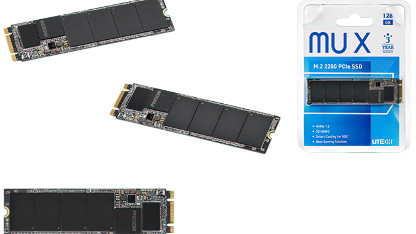
The Leven JPR600 1TB is the mid-capacity variant of Leven's entry-level NVMe SSD line. Built on the Silicon Motion SM2263XT — a 4-channel, DRAM-less PCIe 3.0 x4 controller that uses Host Memory Buffer (HMB) — it delivers an affordable path to terabyte-class NVMe storage for budget-conscious builders. At 1 TB, it crosses the threshold from boot-drive-only to a practical all-in-one storage device, providing enough room for an operating system, productivity suite, and a healthy game library.
Controller & Memory
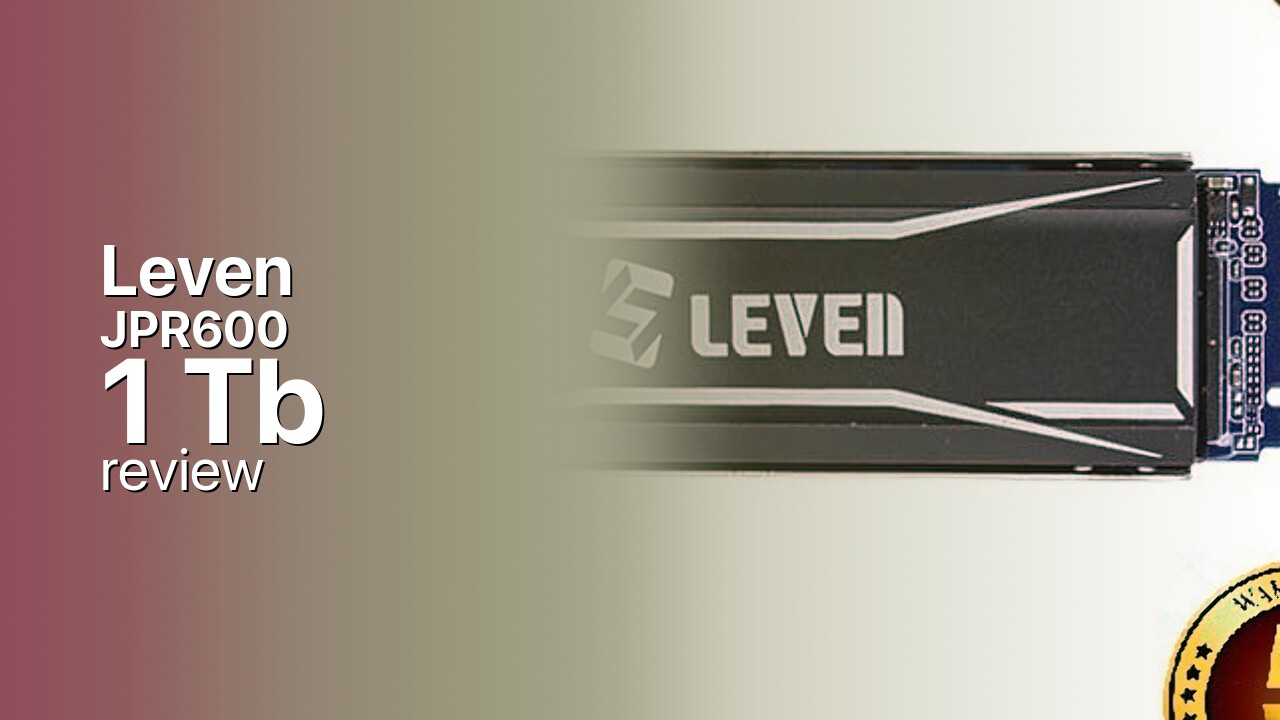
The SM2263XT is one of the most prolific budget NVMe controllers ever produced. This 4-channel, DRAM-less silicon — fabbed on a 28nm process — uses the NVMe HMB protocol to borrow a slice of system RAM (32–64 MB) for its flash translation layer, avoiding the cost of a dedicated DRAM chip. The NAND is 3D TLC from an undisclosed supplier, which is standard practice for budget brands sourcing flash on the spot market. The drive is a single-sided M.2 2280 card compatible with any PCIe 3.0 (or newer) M.2 slot.
Leven is a budget-oriented brand sold primarily through online retailers. The JPR600 competes directly with the Silicon Power A55, Team Group MP33, and other SM2263XT-based SSDs at similar price points. The 1TB model provides a practical amount of storage for a standalone system drive — enough for Windows or Linux, creative applications, and 8–12 modern game titles. Leven backs the drive with a 5-year warranty, which is unusually generous for this segment and provides some reassurance given the brand's limited track record.
A note on the spec sheet: the JPR600's rated sequential speeds of 3,400/3,000 MB/s exceed the known performance ceiling of the SM2263XT controller, which typically tops out around 2,400/1,700 MB/s in its best configurations. The endurance rating of 3,300 TBW for a 1TB DRAM-less drive is similarly unusual — most competitors in this class rate their 1TB drives at 300–600 TBW. These figures may reflect optimistic marketing rather than independent testing, and real-world performance and endurance are likely in line with other SM2263XT-based drives.
Storage Comparisons:
JPR600 Performance & Benchmarks
In real-world use, expect sequential throughput in the 2,000–2,400 MB/s range for reads and 1,200–1,700 MB/s for writes — the established performance envelope of the SM2263XT platform. These numbers are still roughly 4x faster than a SATA SSD and provide a genuinely responsive computing experience. Random 4K performance lands in the 200,000–300,000 IOPS read and 250,000–350,000 IOPS write range, which is adequate for an OS drive but trails DRAM-equipped alternatives when multitasking heavily.
Leven JPR600 1 TB vs M.2 3.0 x 4 peers
Switch between sequential throughput and random IOPS to see how this drive stacks up against other M.2 3.0 x 4 SSDs in our database. The highlighted bar is the drive on this page — click any other bar to open that drive.
- ADATA SX 8800 Pro 512 GB: 3,500 MB/s read, 2,700 MB/s write
- ADATA SX 8800 Pro 1 TB: 3,500 MB/s read, 2,700 MB/s write
- ADATA XPG Spectrix S40G RGB 256 GB: 3,500 MB/s read, 3,000 MB/s write
- ADATA XPG Spectrix S40G RGB 512 GB: 3,500 MB/s read, 3,000 MB/s write
- Leven JPR600 1 TB (this drive): 3,400 MB/s read, 3,000 MB/s write
The 1TB model benefits from a larger dynamic SLC write cache compared to the 512GB version — typically 50–80 GB before writes drop to native TLC at roughly 400–600 MB/s. For most everyday tasks (game installs, Windows updates, file copies under 80 GB), the cache absorbs the writes without the user noticing. Large sustained writes beyond the cache boundary will feel sluggish compared to a DRAM-equipped TLC drive. The HMB implementation works transparently on Windows 10/11 and modern Linux kernels; older or misconfigured operating systems may see degraded random performance. Thermal output is minimal — the SM2263XT rarely exceeds 55°C under load without a heatsink — and power consumption peaks at roughly 3.5 W.
Leven JPR600 vs Competitors
See how the JPR600 stacks up against other M.2 3.0 x 4 drives in our database:
Compare with rival drives:
Endurance, TBW & Warranty
Leven provides a 5-year limited warranty on the JPR600 1TB. The unusually high 3,300 TBW endurance rating should be confirmed with Leven support if write endurance is a concern. Leven is a relatively new brand with a limited support track record; verify the warranty claim process for your region before purchasing.
Leven JPR600 1 TB Specifications
| Category | Value |
|---|---|
| Capacity [?] | 1 TB |
| Interface [?] | M.2 3.0 x 4 |
| Controller [?] | Silicon Motion SM2263XT |
| Memory type [?] | 3D TLC |
| DRAM [?] | No (HMB) |
| Read speed (MB/s) [?] | 3400 |
| Write speed (MB/s) [?] | 3000 |
| Read IOPS [?] | 360000 |
| Write IOPS [?] | 460000 |
| Endurance (TBW) [?] | 3300 |
| MTBF (million hours) [?] | 1.5 |
| Warranty (years) [?] | 5 |
Verdict: Is the JPR600 Worth It in 2026?
The Leven JPR600 1TB is a budget NVMe SSD that does what it says on the tin — it provides terabyte-class NVMe storage at an entry-level price. The SM2263XT platform is a known quantity: it will not set benchmark records, but it delivers a genuine NVMe experience that feels dramatically faster than SATA in everyday use. The inflated spec sheet (3,400/3,000 MB/s, 3,300 TBW) should be read as marketing rather than engineering, but the underlying hardware is sound and widely deployed. If the JPR600 1TB is priced at or below competing SM2263XT drives from more established brands, it is a reasonable budget pick. If it commands a premium based on the inflated numbers, the Silicon Power A55, Team Group MP33, or Crucial P3 are safer bets with better-documented real-world performance.
+ Pros
- 1 TB capacity at an entry-level NVMe price point
- Silicon Motion SM2263XT — widely used, well-proven controller
- 5-year warranty — generous for the budget segment
- Single-sided M.2 2280 fits any laptop or desktop
- Cool-running and power-efficient
- Cons
- DRAM-less HMB design caps random I/O performance
- Rated speeds and endurance far exceed the controller's known capability
- Undisclosed NAND supplier — typical of spot-market sourcing
- Leven has a limited track record and support infrastructure
- SLC cache modest by modern standards (~50-80 GB)
Buy this or similar SSD Storage:
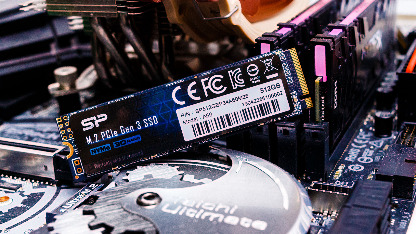
Video Review
SSD Review — 8 NVMe M.2 Drives Tested — Which Should You Buy? — 2019 Edition