WD Black SN850 1TB PCIe 4.0 NVMe SSD (2026)
Quick answer
The WD Black SN850 1 TB is a top-tier PCIe 4.0 NVMe SSD that earns its place alongside the Samsung 980 PRO at the top of the consumer SSD market.
Read: 7000 MB/s Write: 5300 MB/s Endurance: 600 TBW Warranty: 5 years Interface: M.2 4.0 x 4
The WD Black SN850 1 TB is the flagship capacity of WD's PCIe 4.0 line, pairing a second-generation in-house controller with 96-layer BiCS4 TLC for 7,000 MB/s reads and 5,300 MB/s writes.
Controller & Memory
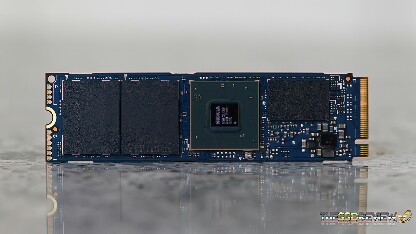
The SN850's core hardware is WD's second-generation NVMe controller (internally called WD_BLACK G2), an Arm-based eight-channel design built on TSMC's 16nm FinFET node. This is a substantial upgrade from the first-generation controller in the SN750, which was limited to PCIe 3.0 speeds. The controller is paired with Kioxia BiCS4 96-layer TLC NAND running at Toggle DDR 3.0 speeds (800 MT/s) and a Micron DDR4 DRAM chip for the FTL mapping tables. The 1 TB model uses 256Gb dies across two NAND packages.
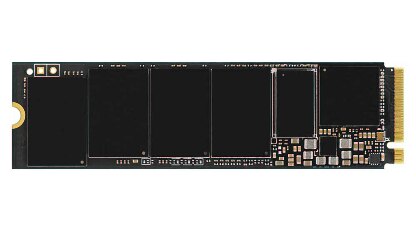
The entire drive is a single-sided M.2 2280 module, compatible with laptops, desktops, and the PS5 expansion slot. The 1 TB capacity is the sweet spot in the SN850 lineup: it posts the highest rated write speeds (5,300 MB/s) and random write IOPS (720K) of the family. The 500 GB model drops to 4,100 MB/s writes, while the 2 TB maintains 5,100 MB/s writes but doubles endurance to 1,200 TBW.
Direct competitors include the Samsung 980 PRO and Phison E18-based drives like the Corsair Force MP600 Pro. The SN850 trades blows with the 980 PRO in most benchmarks, with neither holding a consistent lead. Notably absent from the SN850 is hardware-accelerated AES 256-bit encryption, a feature Samsung has included on its Pro drives for years. WD does offer a separate heatsink SKU with RGB lighting, but the bare drive performs fine with a standard motherboard M.2 heatsink.
Storage Comparisons:
Black SN850 Performance & Benchmarks
WD rates the 1 TB SN850 for up to 7,000 MB/s sequential reads and 5,300 MB/s sequential writes, with up to 1,000,000 random read IOPS and 720,000 random write IOPS. These figures push the PCIe 4.0 x4 interface close to its practical ceiling for sequential transfers. In practice, the SN850's performance is bottlenecked by the PCIe bus long before the controller or NAND become limiting factors.
Western Digital Black SN850 1 TB vs M.2 4.0 x 4 peers
Switch between sequential throughput and random IOPS to see how this drive stacks up against other M.2 4.0 x 4 SSDs in our database. The highlighted bar is the drive on this page — click any other bar to open that drive.
- Patriot Viper PV593 1 TB: 14,500 MB/s read, 14,000 MB/s write
- Patriot Viper PV593 2 TB: 14,500 MB/s read, 14,000 MB/s write
- Patriot Viper PV593 4 TB: 14,500 MB/s read, 14,000 MB/s write
- Patriot Viper PV573 2 TB: 14,000 MB/s read, 12,000 MB/s write
- Western Digital Black SN850 1 TB (this drive): 7,000 MB/s read, 5,300 MB/s write
The revised nCache 4.0 SLC caching scheme uses a hybrid approach with a large dynamic cache (roughly one-third of the drive's free capacity, about 300 GB on a fresh 1 TB drive) plus a small static cache (around 12 GB) that recovers quickly after the dynamic cache is exhausted. Independent reviewers found this caching strategy gives the SN850 some of the most responsive application performance among PCIe 4.0 drives, with low latency across real-world gaming, productivity, and content creation workloads.
The controller can run warm under sustained writes, approaching thermal throttle thresholds without active cooling. A basic motherboard M.2 heatsink or aftermarket heatsink keeps temperatures well within safe operating range. The SN850 supports NVMe 1.4, TRIM, and S.M.A.R.T. data reporting.
Western Digital Black SN850 vs Competitors
See how the Black SN850 stacks up against other M.2 4.0 x 4 drives in our database:
Compare with rival drives:
Endurance, TBW & Warranty
WD rates the 1 TB SN850 for 600 TBW of write endurance under a five-year limited warranty. The warranty ends when either the TBW threshold or the five-year period is reached, whichever comes first. At a moderate write workload of 30 GB per day, 600 TBW translates to roughly 55 years of use, making endurance effectively a non-issue for consumer workloads. WD overprovisions the drive by approximately 9%, and the LDPC error correction engine provides multi-level data protection. The drive also supports end-to-end data path protection and internal SRAM ECC.
Western Digital Black SN850 1 TB Specifications
| Category | Value |
|---|---|
| Capacity [?] | 1 TB |
| Interface [?] | M.2 4.0 x 4 |
| Controller [?] | SanDisk 8-Channel |
| Memory type [?] | 96L Bics4 |
| DRAM [?] | DDR4 |
| Read speed (MB/s) [?] | 7000 |
| Write speed (MB/s) [?] | 5300 |
| Read IOPS [?] | 1000000 |
| Write IOPS [?] | 720000 |
| Endurance (TBW) [?] | 600 |
| MTBF (million hours) [?] | 1.75 |
| Warranty (years) [?] | 5 |
Verdict: Is the Black SN850 Worth It in 2026?
The WD Black SN850 1 TB is a top-tier PCIe 4.0 NVMe SSD that earns its place alongside the Samsung 980 PRO at the top of the consumer SSD market. Gamers and enthusiasts with a compatible AMD or Intel platform will get the most benefit from its bandwidth. Content creators working with large video files or scratch disks are well-served by the 600 TBW endurance and 5,300 MB/s writes. Budget-conscious builders who do not need PCIe 4.0 speeds should look at the Samsung 970 EVO Plus or SK hynix Gold P31, which deliver comparable everyday responsiveness at PCIe 3.0 prices.
+ Pros
- 7,000 MB/s reads, 5,300 MB/s writes
- 1M random read IOPS, 720K write IOPS
- Large hybrid SLC cache with fast recovery
- DDR4 DRAM cache for consistent latency
- Single-sided M.2 2280 fits PS5 and laptops
- 600 TBW endurance rating
- Five-year warranty
- Cons
- No hardware AES 256-bit encryption
- Controller runs warm under sustained writes
- High idle power consumption on desktops
- No included heatsink
Buy this or similar SSD Storage:



Video Review
Hawt!🔥 (Literally) - Western Digital Black SN850 SSD Review