ADATA XPG Spectrix S20G RGB 1TB SSD — In-Depth Review & Specs (2026)
Quick answer
The ADATA XPG Spectrix S20G RGB 1TB is a niche product that executes its niche extremely well.
Read: 2500 MB/s Write: 1800 MB/s Endurance: 600 TBW Warranty: 5 years Interface: M.2 3.0 x 4
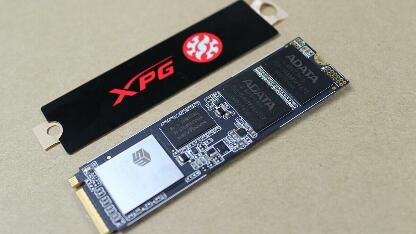
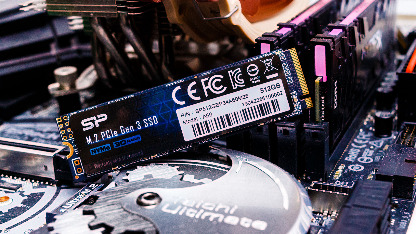
The ADATA XPG Spectrix S20G RGB 1TB is the higher-capacity variant of ADATA's budget RGB-lit NVMe SSD. It uses the same DRAM-less Realtek RTS5762DL controller and SpecTek 3D QLC NAND as the 500GB model, delivering up to 2,500 MB/s reads and 1,800 MB/s writes over a PCIe 3.0 x4 link. The standout feature is the addressable RGB aluminum heatsink — one of the few SSDs on the market to integrate customizable lighting that syncs with all major motherboard RGB ecosystems. At 1 TB, it crosses the threshold from a boot-drive-only role to a practical all-in-one storage device for budget-conscious system builders who refuse to compromise on aesthetics.
Controller & Memory
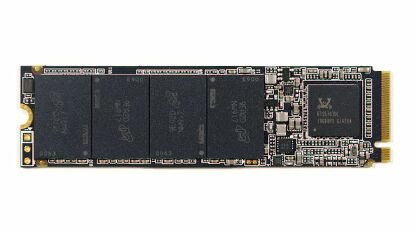
Underneath the RGB heatsink, the S20G 1TB uses the Realtek RTS5762DL — a 4-channel, DRAM-less PCIe 3.0 controller that relies on the NVMe Host Memory Buffer (HMB) protocol. HMB borrows 32–64 MB of system RAM to cache the flash translation layer mapping table, a cost-saving measure that eliminates the need for a dedicated DRAM chip. The NAND is SpecTek 3D QLC — quad-level cell flash sourced from Micron's subsidiary that handles lower-binned wafers. QLC packs 4 bits per cell, increasing density and reducing cost per gigabyte at the expense of write endurance and sustained throughput.
The 1TB capacity is the practical minimum for a standalone primary drive in 2026. It provides enough room for Windows or Linux, a full creative suite, and a moderate game library without the constant storage juggling required by a 500GB drive. The endurance rating doubles to 600 TBW (versus 300 TBW on the 500GB), equivalent to roughly 329 GB of writes per day over the 5-year warranty — more than sufficient for typical consumer workloads.
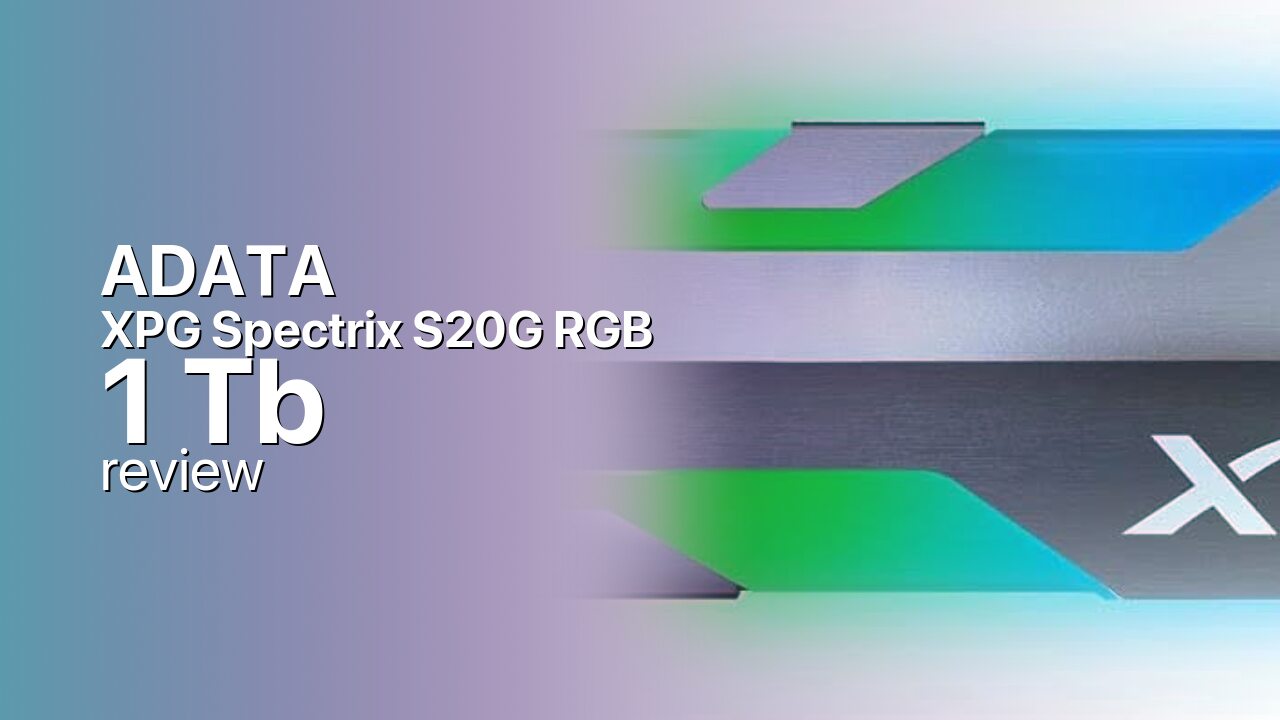
The RGB heatsink is the S20G's calling card. The aluminum spreader features a frosted light diffuser strip along the top edge with addressable LEDs that produce smooth, evenly-lit colors. It syncs with ASUS Aura Sync, MSI Mystic Light, Gigabyte RGB Fusion, and ASRock Polychrome — essentially every major motherboard lighting platform. Build quality is solid: the heatsink is well-attached, the diffuser is evenly frosted, and the lighting connector is a standard 3-pin addressable RGB header. The drive defaults to a rainbow wave pattern if no RGB software is detected.
Storage Comparisons:
XPG Spectrix S20G RGB Performance & Benchmarks
Sequential performance is the PCIe 3.0 x4 ceiling for this controller class: 2,500 MB/s read and 1,800 MB/s write in synthetic benchmarks. Real-world large-file copies land around 2,300–2,400 MB/s read and 1,600–1,700 MB/s write. For context, these numbers are nearly 5x faster than any SATA SSD and entirely adequate for a responsive Windows or Linux daily driver. They are, however, pedestrian by 2026 NVMe standards, where even entry-level Gen4 drives surpass 3,500 MB/s.
ADATA XPG Spectrix S20G RGB 1 TB vs M.2 3.0 x 4 peers
Switch between sequential throughput and random IOPS to see how this drive stacks up against other M.2 3.0 x 4 SSDs in our database. The highlighted bar is the drive on this page — click any other bar to open that drive.
- ADATA SX 8800 Pro 512 GB: 3,500 MB/s read, 2,700 MB/s write
- ADATA SX 8800 Pro 1 TB: 3,500 MB/s read, 2,700 MB/s write
- ADATA XPG Spectrix S40G RGB 256 GB: 3,500 MB/s read, 3,000 MB/s write
- ADATA XPG Spectrix S40G RGB 512 GB: 3,500 MB/s read, 3,000 MB/s write
- ADATA XPG Spectrix S20G RGB 1 TB (this drive): 2,500 MB/s read, 1,800 MB/s write
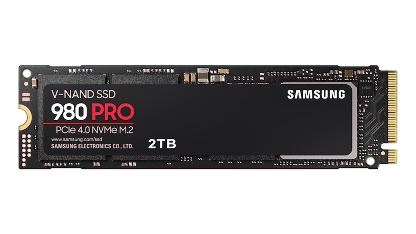
Random 4K performance is where the DRAM-less QLC design shows its budget roots. Rated at roughly 160,000–190,000 IOPS for random reads — about a third of what a DRAM-equipped TLC Gen4 drive can deliver. In practice, application launches and file operations feel responsive but not instantaneous in the way a Samsung 980 PRO or WD Black SN850 does. The HMB implementation on the Realtek controller works transparently on Windows 10/11 and Linux kernel 5.15+, but older or misconfigured systems may see degraded random I/O without HMB support.
The SLC write cache on the 1TB model spans roughly 80–120 GB — about double the 500GB variant — after which writes drop to native QLC speeds of approximately 100–150 MB/s. For everyday tasks (game installs, Windows updates, file copies under 100 GB), the cache is adequate. Large sustained writes beyond the cache boundary will feel slow, and content creators who regularly move multi-hundred-gigabyte media files should look to a TLC-based drive instead. Thermal performance is a non-issue: the Realtek controller runs cool, and the aluminum heatsink keeps temperatures under 55°C even during extended writes.
ADATA XPG Spectrix S20G RGB vs Competitors
See how the XPG Spectrix S20G RGB stacks up against other M.2 3.0 x 4 drives in our database:
Compare with rival drives:
Endurance, TBW & Warranty
ADATA provides a 5-year limited warranty on the XPG Spectrix S20G 1TB, subject to the 600 TBW endurance limit. The warranty covers both the storage components and the RGB lighting functionality, though physical damage to the heatsink, diffuser, or lighting connector from mishandling is excluded. ADATA has a global RMA network with service centers in North America, Europe, and Asia.
ADATA XPG Spectrix S20G RGB 1 TB Specifications
| Category | Value |
|---|---|
| Capacity [?] | 1 TB |
| Interface [?] | M.2 3.0 x 4 |
| Controller [?] | Realtek RTS5762DL |
| Memory type [?] | Spectek 3D QLC |
| DRAM [?] | No (HMB) |
| Read speed (MB/s) [?] | 2500 |
| Write speed (MB/s) [?] | 1800 |
| Read IOPS [?] | 160000 |
| Write IOPS [?] | 190000 |
| Endurance (TBW) [?] | 600 |
| MTBF (million hours) [?] | 2 |
| Warranty (years) [?] | 5 |
Verdict: Is the XPG Spectrix S20G RGB Worth It in 2026?
The ADATA XPG Spectrix S20G RGB 1TB is a niche product that executes its niche extremely well. If you are building a budget PC and want addressable RGB lighting integrated directly into your M.2 SSD — rather than using a separate RGB heatsink that may not fit your motherboard's M.2 layout — the S20G is one of very few options on the market. The lighting is genuinely good, the 1TB capacity is practical for a standalone drive, and the 600 TBW endurance is adequate for consumer use. The trade-offs are real: QLC sustained writes are slow, the Realtek DRAM-less controller limits random I/O, and the PCIe 3.0 interface caps peak throughput. But for a system where aesthetics lead and storage is secondary, the S20G hits its target. Just do not pay more for the RGB than you would for a faster TLC drive.
+ Pros
- Integrated addressable RGB — compatible with all major ecosystems
- 1TB capacity provides practical headroom for games and media
- 600 TBW endurance — double the 500GB rating
- Aluminum heatsink keeps the DRAM-less controller cool
- 5-year warranty with ADATA global support
- Cons
- QLC NAND — sustained writes drop to ~100-150 MB/s post-cache
- DRAM-less HMB limits random I/O versus TLC alternatives
- PCIe 3.0 capped at 2,500 MB/s — entry-level Gen4 is twice as fast
- Realtek RTS5762DL is a basic 4-channel controller
- RGB premium may push pricing above faster non-RGB drives
Buy this or similar SSD Storage:
Video Review
I can't believe this exists - XPG 1TB RGB M.2 Drive