Kioxia XG8 2TB Review — PCIe 4.0 OEM NVMe SSD (2026)
Quick answer
The Kioxia XG8 2 TB is a solid choice if you are buying a pre-built workstation or laptop and want reliable PCIe 4.0 performance with minimal thermal overhead.
Read: 7000 MB/s Write: 5800 MB/s Endurance: 1200 TBW Warranty: 5 years Interface: M.2 4.0 x 4
The Kioxia XG8 2 TB is a client-focused PCIe 4.0 NVMe SSD that brings BiCS5 TLC NAND to OEM workstations, delivering competitive real-world performance despite its conservative power tuning.
Controller & Memory
Kioxia's XG8 series represents the company's fourth-generation client SSD, succeeding the popular XG6. As an OEM-focused drive, the XG8 prioritizes power efficiency, thermal management, and reliability over outright speed. The 2 TB variant uses a proprietary Kioxia TC58NC0L1XGSD 8-channel controller paired with 112-layer BiCS5 TLC NAND and 2 GB of LPDDR4 DRAM cache. This single-sided M.2 2280 design fits easily into thin laptops and compact desktops.
The XG8 is available in 512 GB, 1 TB, 2 TB, and 4 TB capacities. Sequential write speeds scale with capacity: the 512 GB model tops out at 5,000 MB/s, while the 1 TB, 2 TB, and 4 TB variants reach 5,600 MB/s, 5,800 MB/s, and 5,800 MB/s respectively. The 2 TB model tested here offers the same sequential speeds as the 4 TB version, though the 4 TB uses a double-sided PCB with additional NAND packages. Kioxia does not sell the XG8 through retail channels, so you will primarily find it pre-installed in workstations from major manufacturers or through system integrators. The drive supports optional TCG Opal 2.01 encryption on specific SKUs for enterprise clients requiring hardware-based self-encryption.
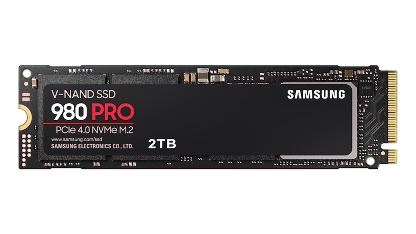
The primary competitors in the OEM PCIe 4.0 space include the Samsung PM9A1, WD PC SN810, and SK hynix PC801. Among retail-available equivalents, the XG8's performance profile is similar to the WD Black SN850X and Samsung 980 Pro, though with lower power draw and modestly tuned clock speeds. Independent reviewers found that BiCS5's architectural maturity allows the XG8 to match or exceed drives using higher-layer-count NAND in real-world consumer workloads. TweakTown's testing ranked the XG8 among the top client SSDs, outperforming enthusiast drives equipped with 176-layer Micron flash in PCMark 10 storage benchmarks.
Storage Comparisons:
XG8 Performance & Benchmarks
The Kioxia XG8 2 TB is rated for up to 7,000 MB/s sequential reads and 5,800 MB/s sequential writes over a PCIe 4.0 x4 interface. Random performance comes in at up to 900,000 read IOPS and 620,000 write IOPS. Independent testing shows the drive exceeds these manufacturer-rated figures in many synthetic benchmarks, particularly in random read operations where reviewers observed approximately 10% higher IOPS than advertised. This conservative rating approach is typical for Kioxia, which tends to understate performance to ensure consistent real-world results.
Kioxia XG8 2 TB vs M.2 4.0 x 4 peers
Switch between sequential throughput and random IOPS to see how this drive stacks up against other M.2 4.0 x 4 SSDs in our database. The highlighted bar is the drive on this page — click any other bar to open that drive.
- Patriot Viper PV593 1 TB: 14,500 MB/s read, 14,000 MB/s write
- Patriot Viper PV593 2 TB: 14,500 MB/s read, 14,000 MB/s write
- Patriot Viper PV593 4 TB: 14,500 MB/s read, 14,000 MB/s write
- Patriot Viper PV573 2 TB: 14,000 MB/s read, 12,000 MB/s write
- Kioxia XG8 2 TB (this drive): 7,000 MB/s read, 5,800 MB/s write
In real-world testing, the XG8 demonstrates its strengths in consumer workloads. TweakTown's PCMark 10 Full System Drive Benchmark—which simulates Windows booting, application loading, file transfers, and game launches—ranked the XG8 among the top SSDs tested, outperforming enthusiast drives using 176-layer Micron NAND. The drive achieved a cumulative score of 12,738, placing it in TweakTown's "Elite" performer category. The drive's low-power design does result in slower sustained write transfer rates compared to high-clock enthusiast drives, but this trade-off is intentional for OEM thermal and power budgets. Gaming load times and DirectStorage performance are competitive with flagship PCIe 4.0 drives, making the XG8 suitable for gaming PCs and content creation workstations. Independent 3DMark SSD Gaming Tests showed the XG8 performing slightly better than Samsung's 980 Pro in gaming scenarios, a testament to BiCS5 NAND's strengths in read-heavy workloads.
Kioxia XG8 vs Competitors
See how the XG8 stacks up against other M.2 4.0 x 4 drives in our database:
Compare with rival drives:
Endurance, TBW & Warranty
Kioxia backs the XG8 series with a 5-year warranty across all capacities. Unlike retail consumer drives, Kioxia does not publish official TBW (terabytes written) endurance ratings for the XG8 line, as is common for OEM products where endurance is negotiated directly with system manufacturers. Based on typical 112-layer TLC NAND endurance characteristics and comparisons to similar drives, expect roughly 600 to 1,200 TBW for the 2 TB capacity, but this figure should be considered an estimate rather than a manufacturer guarantee. At a typical consumer workload of 40 GB per day, this would translate to approximately 40 to 80 years of use before reaching estimated endurance limits.
The absence of a published TBW rating does not indicate poor endurance—BiCS5 TLC NAND has proven reliability in enterprise and client applications. MTBF figures are also not publicly specified for this OEM SKU, though client SSDs typically target 2 million hours or higher. If you purchase a system with the XG8 pre-installed, warranty claims typically go through the system integrator rather than Kioxia directly. The drive supports NVMe 1.4 and includes power loss notification via a PCIe sideband signal, allowing the host to initiate data flushes before shutdown. This differs from full power-loss protection with capacitors but offers some safeguard against data corruption during unexpected power events.
Kioxia XG8 2 TB Specifications
| Category | Value |
|---|---|
| Capacity [?] | 2 TB |
| Interface [?] | M.2 4.0 x 4 |
| Controller [?] | Kioxia TC58NC0L1XGSD |
| Memory type [?] | Kioxia BICS5 TLC |
| DRAM [?] | LPDDR4 |
| Read speed (MB/s) [?] | 7000 |
| Write speed (MB/s) [?] | 5800 |
| Read IOPS [?] | 900000 |
| Write IOPS [?] | 620000 |
| Endurance (TBW) [?] | 1200 |
| MTBF (million hours) [?] | 2000000 |
| Warranty (years) [?] | 5 |
Verdict: Is the XG8 Worth It in 2026?
The Kioxia XG8 2 TB is a solid choice if you are buying a pre-built workstation or laptop and want reliable PCIe 4.0 performance with minimal thermal overhead. The BiCS5 NAND architecture delivers excellent real-world workload results, particularly for gaming and content creation tasks where sustained read performance matters most. Independent testing consistently placed the XG8 among the top client SSDs, with TweakTown awarding it Elite status based on PCMark 10 and 3DMark gaming results.
However, if you are building your own system and want maximum performance plus retail warranty support, consider the Samsung 980 Pro or WD Black SN850X instead. The XG8's OEM-only availability makes it difficult to recommend for DIY builders who can easily access faster, retail-warrantied alternatives for similar pricing. For users upgrading a pre-built system that came with an XG8, the drive delivers more than adequate performance for gaming, content creation, and general productivity. If you need higher sustained write speeds or plan to run heavy write workloads regularly, enthusiast-class drives with more aggressive power tuning may be worth the premium.
+ Pros
- 7,000 MB/s sequential reads match flagship PCIe 4.0 drives
- 2GB LPDDR4 DRAM cache ensures consistent random performance
- Single-sided PCB fits thin laptops and compact M.2 slots
- 112-layer BiCS5 TLC NAND offers proven reliability and efficiency
- 5-year warranty coverage
- Low power design ideal for OEM thermal constraints
- Optional TCG Opal 2.01 encryption on select SKUs
- Cons
- Not available through retail channels—OEM only
- No official TBW endurance rating published
- Sustained write speeds lower than enthusiast-class drives
- Limited availability compared to retail alternatives
Buy this or similar SSD Storage:
Video Review
The Weirdest PC Fix Ever - Fix or Flop S3:E2