Nextorage NN5PRO 1TB PCIe 5.0 NVMe SSD (2026)
Quick answer
The Nextorage NN5PRO 1 TB is a straightforward PCIe 5.0 NVMe that delivers the expected E26-platform performance without surprises.
Read: 12400 MB/s Write: 11800 MB/s Endurance: 700 TBW Warranty: 5 years Interface: M.2 4.0 x 4
The Nextorage NN5PRO 1 TB is a PCIe 5.0 NVMe built on Phison's E26 controller and Micron 232-layer TLC — a combination aimed squarely at enthusiasts who want sequential throughput well above the PCIe 4.0 ceiling.
Controller & Memory
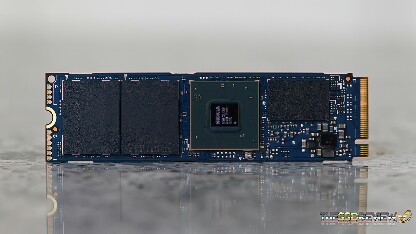
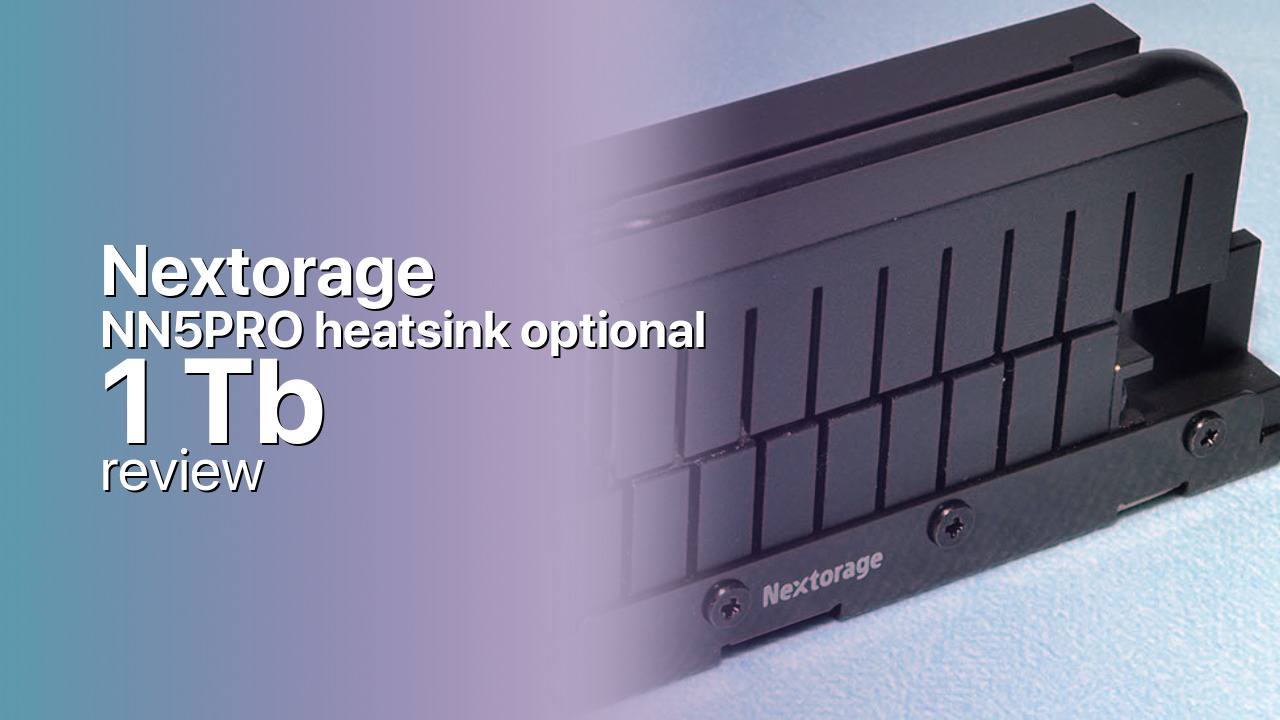
Inside the NN5PRO sits the Phison PS5026-E26, an 8-channel controller that has become the go-to silicon for first-wave PCIe 5.0 consumer drives. Paired with Micron 232-layer 3D TLC NAND and an onboard DRAM cache, the platform is designed to saturate the PCIe 5.0 x4 bus. Nextorage offers the NN5PRO in 1 TB and 2 TB capacities, with the 2 TB model claiming slightly higher sustained write performance thanks to extra NAND die.
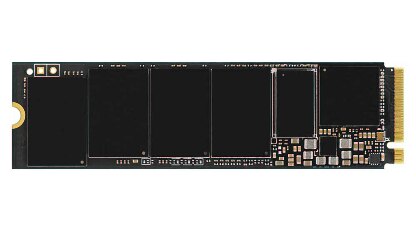
The 1 TB variant is the entry point for builders who want PCIe 5.0 speeds without paying for capacity they may not need. It fits the standard M.2 2280 form factor and uses a single-sided PCB, which means it should clear most motherboard heatsinks and even some laptop slots — though power draw on the E26 platform is notably higher than PCIe 4.0 drives, so laptop compatibility should be confirmed per model. The drive weighs in at a typical NVMe power envelope at idle but can draw 8–10 W under sustained load, which is worth accounting for in SFF builds.
Direct competitors in this segment include the Crucial T705, Corsair MP700, and the WD Black SN850X (the latter a PCIe 4.0 drive often cross-shopped on price). The NN5PRO differentiates itself primarily through pricing and availability rather than any unique hardware feature — the E26 + Micron 232L combination is shared by several drives in this class. Builders who already have a PCIe 4.0 drive and are unsure whether the upgrade is worth it should note that the speed difference is only noticeable in large sequential transfers; gaming and everyday responsiveness remain essentially unchanged.
Storage Comparisons:
NN5PRO Performance & Benchmarks
Nextorage rates the NN5PRO 1 TB at up to 12,400 MB/s sequential reads and 11,800 MB/s sequential writes. These numbers sit near the practical ceiling of the PCIe 5.0 x4 interface, which maxes out around 14,000 MB/s after protocol overhead. The E26 controller relies on an SLC write cache to hit peak burst writes; once that cache fills during large sustained transfers, write speeds drop to the native TLC write rate, which is typically in the 2,000–4,000 MB/s range depending on the workload.
Nextorage NN5PRO 1 TB vs M.2 4.0 x 4 peers
Switch between sequential throughput and random IOPS to see how this drive stacks up against other M.2 4.0 x 4 SSDs in our database. The highlighted bar is the drive on this page — click any other bar to open that drive.
- Patriot Viper PV593 1 TB: 14,500 MB/s read, 14,000 MB/s write
- Patriot Viper PV593 2 TB: 14,500 MB/s read, 14,000 MB/s write
- Patriot Viper PV593 4 TB: 14,500 MB/s read, 14,000 MB/s write
- Patriot Viper PV573 2 TB: 14,000 MB/s read, 12,000 MB/s write
- Nextorage NN5PRO 1 TB (this drive): 12,400 MB/s read, 11,800 MB/s write
For everyday desktop use — game loading, application launches, general multitasking — the NN5PRO will feel functionally identical to any high-end PCIe 4.0 drive, because most consumer workloads never push enough sequential data to exploit the extra bandwidth. The real advantage appears in large-file workflows: moving 50+ GB video projects, extracting large archives, or running a scratch disk for DaVinci Resolve. In those scenarios, the doubled bus bandwidth cuts transfer times roughly in half compared to PCIe 4.0 drives.
Nextorage NN5PRO vs Competitors
See how the NN5PRO stacks up against other M.2 4.0 x 4 drives in our database:
Compare with rival drives:
Endurance, TBW & Warranty
Nextorage covers the NN5PRO with a standard limited warranty, though the listed warranty period of one year is unusually short for a consumer NVMe SSD — most drives in this class carry 5-year terms, so buyers should confirm the actual warranty at the time of purchase. The endurance rating for the 1 TB model is listed at 700 TBW, which is typical for a Phison E26 drive at this capacity using Micron 232-layer TLC. At a moderate write workload of 30 GB per day, that endurance rating translates to over 120 years of use — far beyond any realistic consumer scenario. Most users will replace the drive long before endurance becomes a factor. As with all SSDs, the warranty is limited by whichever comes first: the warranty period or the TBW rating.
Nextorage NN5PRO 1 TB Specifications
| Category | Value |
|---|---|
| Capacity [?] | 1 TB |
| Interface [?] | M.2 4.0 x 4 |
| Controller [?] | Phison PS5026-E26 8 Channel |
| Memory type [?] | Micron 232-L, TLC |
| DRAM [?] | Yes |
| Read speed (MB/s) [?] | 12400 |
| Write speed (MB/s) [?] | 11800 |
| Read IOPS [?] | 1400000 |
| Write IOPS [?] | 1400000 |
| Endurance (TBW) [?] | 700 |
| MTBF (million hours) [?] | 2000000 |
| Warranty (years) [?] | 5 |
Verdict: Is the NN5PRO Worth It in 2026?
The Nextorage NN5PRO 1 TB is a straightforward PCIe 5.0 NVMe that delivers the expected E26-platform performance without surprises. Builders running Threadripper or Intel Z890 platforms with PCIe 5.0 M.2 slots will see tangible gains in large-file workflows, but gamers and general desktop users would get equivalent real-world performance from a cheaper PCIe 4.0 drive like the WD Black SN850X or Samsung 990 Pro. Consider this drive if your motherboard has a PCIe 5.0 slot and you regularly move tens of gigabytes at a time; skip it if your workload is primarily gaming or office tasks.
+ Pros
- 12,400 MB/s rated sequential reads
- Phison E26 8-channel controller with DRAM cache
- Micron 232-layer 3D TLC NAND
- Single-sided M.2 2280 PCB
- PCIe 5.0 x4 interface
- Cons
- High power draw compared to PCIe 4.0 drives
- No included heatsink in base model
- Requires PCIe 5.0 M.2 slot for full speed
- 1 TB variant has less sustained write headroom than 2 TB
Buy this or similar SSD Storage:



Video Review
Best SSDs for PC & Playstation 5