Anacomda i4-X Fiery Serpent 4 TB: The High-Endurance E18 Flagship (2026)
Quick answer
The Anacomda i4-X Fiery Serpent 4 TB is the capacity flagship of the verified line and the model to choose when a single drive has to hold everything and absorb heavy writes for years.
Read: 7000 MB/s Write: 7000 MB/s Endurance: 2800 TBW Warranty: 5 years Interface: M.2 4.0 x 4
The Anacomda i4-X Fiery Serpent 4 TB is the line's high-endurance flagship, pairing Phison's E18, Kioxia TLC, and a discrete DRAM cache for the full 7,000 MB/s and a verified 2,800 TBW.
Controller & Memory
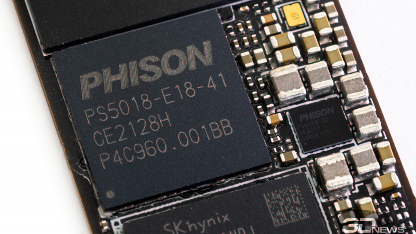
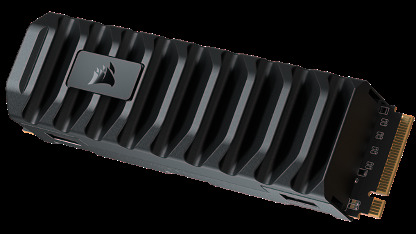
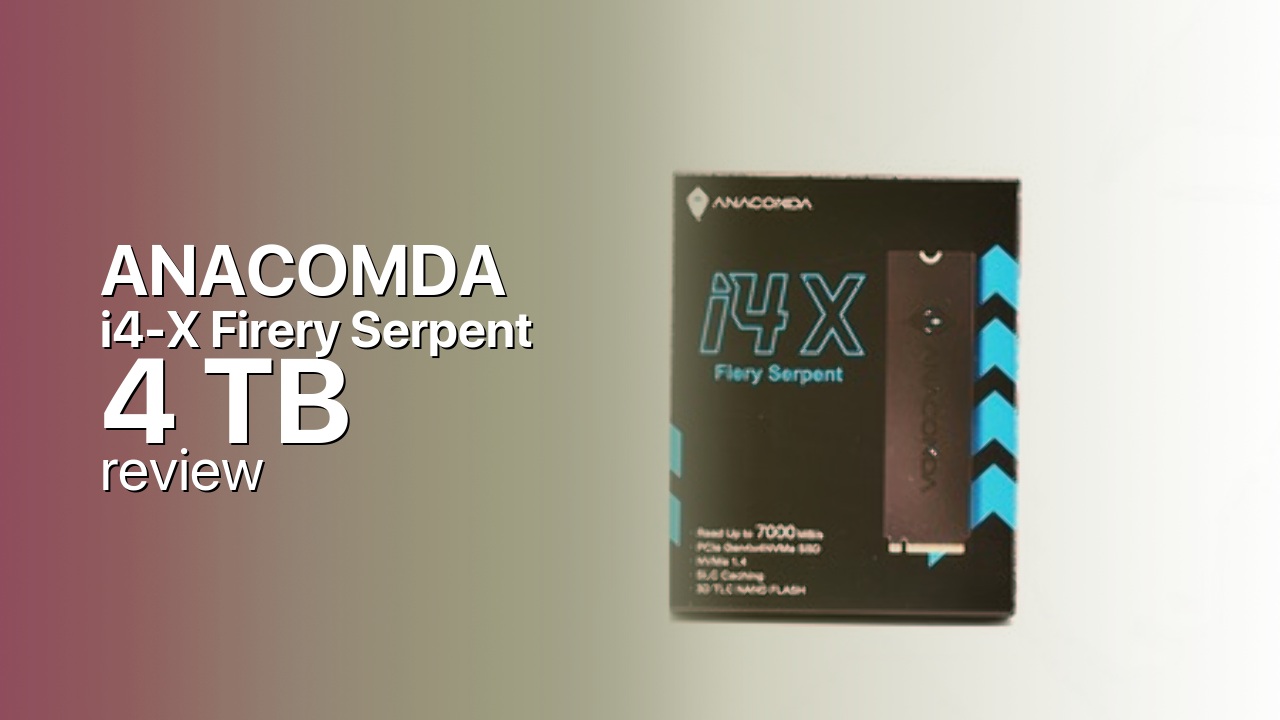
The Anacomda i4-X Fiery Serpent 4 TB runs Phison's PS5018-E18, a tri-core NVMe 1.4 controller built around three 32-bit ARM Cortex R5 processors with a fourth-generation LDPC engine and end-to-end data protection. Anacomda pairs the E18 with Kioxia 112-layer BiCS5 3D TLC NAND and a discrete DDR4L-3200 DRAM chip that holds the full flash translation layer mapping table on-drive, the architecture that separates a genuine flagship from the DRAM-less HMB designs that fill the budget tier. The drive ships with an aluminium heat spreader backed by a graphite thermal pad, a real differentiator against bare rivals and a feature that makes it PS5-ready out of the box.
The 4 TB is the capacity flagship of the verified i4-X line, reaching the full 7,000 MB/s sequential read and write ceiling of the E18 platform and carrying the family's highest verified endurance at 2,800 TBW. Endurance scales with capacity across the line, 700 TBW on the 1 TB, 1,550 TBW on the 2 TB, and 2,800 TBW on the 4 TB, all backed by Anacomda's five-year warranty and the 1.6 million hour MTBF rating that NiKKTech's review confirmed for the entire line. The 1 TB is the odd one out on write speed at 5,000 MB/s, while the 2 TB and 4 TB both hit 7,000 MB/s in both directions, so the 4 TB gives up nothing on peak performance to the smaller capacities and adds the largest SLC cache and the highest write budget.
The i4-X targets enthusiast gaming builds, PS5 upgrades, and content creation where the discrete DRAM cache and the E18's consistent sustained-write behaviour matter. NiKKTech praised the platform as a very good Gen4 design, highlighting the dynamic-range SLC cache, SmartECC RAID-style error correction, and LDPC engine. The 4 TB is the choice when the drive has to hold everything, an operating system, a full application suite, a large media library, and a substantial game collection, and survive heavy writes for years. Direct competitors include other E18 drives such as the Seagate FireCuda 530 and the Sabrent Rocket 4 Plus, and the broader Gen4 flagship set including the Samsung 980 Pro and WD Black SN850X. Anacomda's value angle is the bundled heatsink, Kioxia TLC, and the 2,800 TBW rating at a price below the brand-name E18 drives, with a thinner Western retail presence as the trade-off.
Storage Comparisons:
i4-X Firery Serpent Performance & Benchmarks
Anacomda rates the i4-X Fiery Serpent 4 TB at the full 7,000 MB/s sequential reads and 7,000 MB/s sequential writes over PCIe 4.0 x4, the E18 platform ceiling that the 4 TB reaches by saturating the controller's eight channels with a fully populated NAND array. Random I/O is rated at roughly 1,000,000 read and write IOPS, the E18 platform's established ceiling. NiKKTech's review of the 2 TB model confirmed the platform's headline speeds and characterised the design as a very good Gen4 drive, and the same controller, firmware, and NAND carry over to the 4 TB.
ANACOMDA i4-X Firery Serpent 4 TB vs M.2 4.0 x 4 peers
Switch between sequential throughput and random IOPS to see how this drive stacks up against other M.2 4.0 x 4 SSDs in our database. The highlighted bar is the drive on this page — click any other bar to open that drive.
- Patriot Viper PV593 1 TB: 14,500 MB/s read, 14,000 MB/s write
- Patriot Viper PV593 2 TB: 14,500 MB/s read, 14,000 MB/s write
- Patriot Viper PV593 4 TB: 14,500 MB/s read, 14,000 MB/s write
- Patriot Viper PV573 2 TB: 14,000 MB/s read, 12,000 MB/s write
- ANACOMDA i4-X Firery Serpent 4 TB (this drive): 7,000 MB/s read, 7,000 MB/s write
The E18's discrete DDR4L-3200 DRAM cache is the performance differentiator versus the DRAM-less competition. Holding the complete flash translation layer on-drive keeps random I/O latency consistent under sustained mixed workloads, large file transfers, and DirectStorage game loading, exactly where DRAM-less HMB designs eventually slow. The 4 TB's larger SLC cache, carved from a bigger NAND pool than the smaller capacities, extends the window of peak-speed sustained writes before performance settles to native TLC throughput, which helps with large game installs, video exports, and backup restores. The trade-off versus a DRAM-less drive is higher power draw and heat, which is why Anacomda fits the aluminium heatsink. For sustained-write workloads and demanding gaming, the E18's consistency is the reason the i4-X earns its tier.
ANACOMDA i4-X Firery Serpent vs Competitors
See how the i4-X Firery Serpent stacks up against other M.2 4.0 x 4 drives in our database:
Compare with rival drives:
Endurance, TBW & Warranty
Anacomda covers the i4-X Fiery Serpent line with a five-year limited warranty, terminated at whichever arrives first between the term and the drive's TBW endurance rating. The 4 TB carries a 2,800 TBW rating, per TechPowerUp's line data, the highest verified endurance in the i4-X family and competitive with other flagship Gen4 drives at this capacity. It scales from 700 TBW on the 1 TB and 1,550 TBW on the 2 TB, reflecting the Kioxia BiCS5 TLC's rated cycle life. At a typical consumer write load of 20 GB per day, the 2,800 TBW rating translates to roughly 383 years before the write budget is exhausted, so the five-year term expires long before the NAND approaches its rated limit. The headroom matters most for buyers running sustained write workloads such as 4K video editing, game capture, or running the 4 TB as a scratch and content volume, where the outsized endurance is a genuine, measurable advantage over smaller capacities. NiKKTech's review confirmed Anacomda's 1.6 million hour MTBF rating across the i4-X line, a fleet-reliability statistic describing expected failure rates across a population of drives rather than a lifespan promise for any single unit.
ANACOMDA i4-X Firery Serpent 4 TB Specifications
| Category | Value |
|---|---|
| Capacity [?] | 4 TB |
| Interface [?] | M.2 4.0 x 4 |
| Controller [?] | Phison PS5018 E18 8 Channel |
| Memory type [?] | Kioxia 112-L TLC |
| DRAM [?] | Yes |
| Read speed (MB/s) [?] | 7000 |
| Write speed (MB/s) [?] | 7000 |
| Read IOPS [?] | 1000000 |
| Write IOPS [?] | 1000000 |
| Endurance (TBW) [?] | 2800 |
| MTBF (million hours) [?] | 2000000 |
| Warranty (years) [?] | 5 |
Verdict: Is the i4-X Firery Serpent Worth It in 2026?
The Anacomda i4-X Fiery Serpent 4 TB is the capacity flagship of the verified line and the model to choose when a single drive has to hold everything and absorb heavy writes for years. It delivers the full 7,000 MB/s in both directions of the E18 platform, the discrete DRAM cache that keeps sustained I/O consistent where DRAM-less drives falter, Kioxia BiCS5 TLC, and the family's highest verified 2,800 TBW endurance rating, all in a package that includes the aluminium heatsink brand-name E18 drives make buyers source separately. For a content-creation workstation, a large PS5 library, or an enthusiast build where capacity, sustained-write consistency, and write endurance all matter, the 4 TB is a strong value against the Seagate FireCuda 530, Sabrent Rocket 4 Plus, Samsung 980 Pro, and WD Black SN850X. Buyers who do not need 4 TB save with the 2 TB sweet spot or the 1 TB entry point, and the announced 8 TB extends the line for maximum capacity. The main caveat is Anacomda's thinner Western retail and review footprint compared with Samsung or WD, worth weighing against the bundled heatsink and the price advantage.
+ Pros
- Full 7,000 MB/s reads and writes, the E18 platform ceiling
- Discrete DRAM cache for consistent sustained I/O
- Kioxia 112-layer BiCS5 TLC NAND
- 2,800 TBW endurance, the family's highest verified rating
- Aluminium heatsink with graphite pad included
- Five-year warranty and 1.6 million hour MTBF
- Cons
- Higher power draw and heat than DRAM-less alternatives
- 4 TB carries a capacity price premium
- Heatsink requires M.2 slot clearance
- Smaller Western retail and review footprint than Samsung or WD
- Exact IOPS not published by the manufacturer
Buy this or similar SSD Storage:



Video Review
GRANNY 4 - NEW HELICOPTER ESCAPE WITH 9 ENEMIES 😱!!