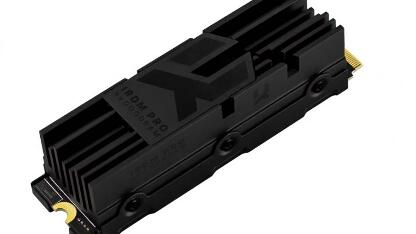
Inland TN470 2TB: fast, efficient PCIe 4.0 storage (2026)
Quick answer
The Inland TN470 2TB suits gamers, content creators, and PS5 owners who want flagship-tier PCIe 4.0 speed, a large game or media library, and a genuinely long 6-year warranty without paying flagship-tier prices.
Read: 7300 MB/s Write: 6400 MB/s Endurance: 1200 TBW Warranty: 6 years Interface: M.2 4.0 x 4
The Inland TN470 2TB is a single-sided, DRAM-less PCIe 4.0 NVMe drive that Tom's Hardware rated efficient, fast, and inexpensive, now with double the 1TB model's endurance.
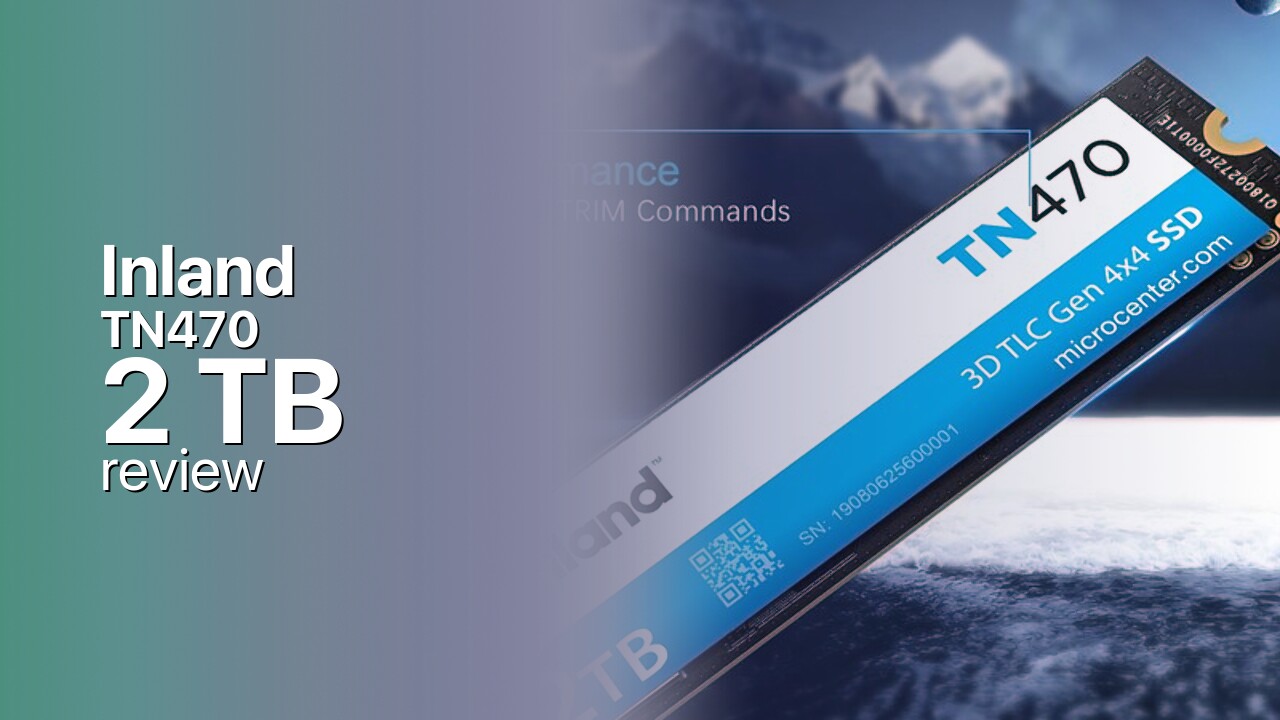
Controller & Memory
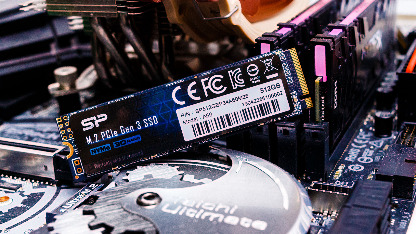
Inland builds the TN470 around a Phison PS5027-E27T four-channel controller paired with Kioxia's BiCS6 162-layer TLC NAND, skipping a dedicated DRAM chip in favor of Host Memory Buffer. It connects over PCIe 4.0 x4, NVMe 1.4, in a single-sided M.2 2280 form factor - a genuinely efficient, well-regarded pairing rather than a corners-cut budget compromise, and one that earned the line a strongly positive independent review.
Inland is Micro Center's own in-house storage brand, and the TN470 line also ships in 500 GB and 1 TB capacities alongside this 2 TB model. At 2 TB, sequential speed matches the 1TB drive at 7,300/6,400 MB/s, while endurance scales properly to 1,200 TBW, double the 1TB model's 600 TBW, under the same 6-year warranty.
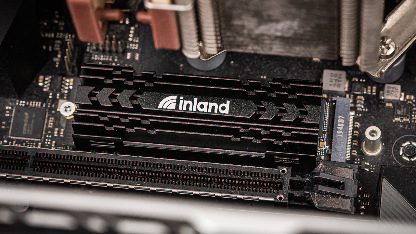
Without an included heatsink, the TN470 fits laptops, thin desktops, and the PS5's internal M.2 slot without clearance issues, though a desktop build under sustained heavy writes may benefit from an aftermarket M.2 heatsink. At this speed and capacity it competes directly with other DRAM-less flagship-speed picks like the WD Black SN770 2TB and Lexar NM790 2TB, both of which are more widely available outside Micro Center's own retail channel but don't clearly beat it on warranty length or overall rated endurance for cautious buyers.
Storage Comparisons:
TN470 Performance & Benchmarks
Inland rates the TN470 2TB at up to 7,300 MB/s sequential reads and 6,400 MB/s sequential writes over PCIe 4.0 x4, matching the 1TB capacity's rated speeds. Random IOPS figures aren't independently confirmed for this exact capacity, so treat any specific number seen elsewhere with caution.
Inland TN470 2 TB vs M.2 4.0 x 4 peers
Switch between sequential throughput and random IOPS to see how this drive stacks up against other M.2 4.0 x 4 SSDs in our database. The highlighted bar is the drive on this page — click any other bar to open that drive.
- Patriot Viper PV593 1 TB: 14,500 MB/s read, 14,000 MB/s write
- Patriot Viper PV593 2 TB: 14,500 MB/s read, 14,000 MB/s write
- Patriot Viper PV593 4 TB: 14,500 MB/s read, 14,000 MB/s write
- Patriot Viper PV573 2 TB: 14,000 MB/s read, 12,000 MB/s write
- Inland TN470 2 TB (this drive): 7,300 MB/s read, 6,400 MB/s write
As with the 1TB model, the TN470 2TB leans on an SLC write cache to sustain its rated numbers; once a large sustained transfer exhausts that cache, write speeds drop toward the native TLC ceiling, though the larger capacity gives the cache more absolute headroom before that happens. For gaming, content libraries, and everyday multitasking, the TN470 2TB keeps up with pricier DRAM-equipped rivals, which is a big part of why independent reviewers rated the line well for its price. Buyers doing constant large sustained writes, such as video editors, will still find more consistent behavior on a drive with dedicated DRAM, though most gaming and creative workflows won't notice the difference.
Inland TN470 vs Competitors
See how the TN470 stacks up against other M.2 4.0 x 4 drives in our database:
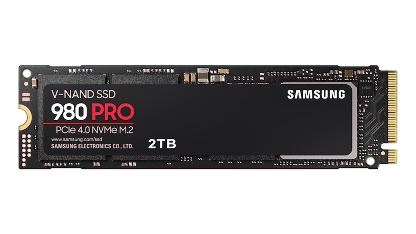
Compare with rival drives:
Endurance, TBW & Warranty
Inland rates the TN470 2TB at 1,200 TBW of total write endurance, double the 1TB model's rating. At a typical 20-50 GB of writes per day, that budget lasts roughly 66 to 164 years before hitting the rated limit, far beyond the drive's realistic service life, so endurance isn't a practical concern for normal use. The MTBF rating is 1,500,000 hours, a statistical reliability figure describing failure rates across a large population of drives rather than a promise for any individual unit.
Warranty coverage on this listing is 6 years, notably generous for a budget-priced drive and matching or beating several brand-name competitors at this capacity.
Inland TN470 2 TB Specifications
| Category | Value |
|---|---|
| Capacity [?] | 2 TB |
| Interface [?] | M.2 4.0 x 4 |
| Controller [?] | Phison E27T 4 Channel |
| Memory type [?] | Kioxia 162-L TLC |
| DRAM [?] | No |
| Read speed (MB/s) [?] | 7300 |
| Write speed (MB/s) [?] | 6400 |
| Read IOPS [?] | 7300000 |
| Write IOPS [?] | 6400000 |
| Endurance (TBW) [?] | 1200 |
| MTBF (million hours) [?] | 1500000 |
| Warranty (years) [?] | 6 |
Verdict: Is the TN470 Worth It in 2026?
The Inland TN470 2TB suits gamers, content creators, and PS5 owners who want flagship-tier PCIe 4.0 speed, a large game or media library, and a genuinely long 6-year warranty without paying flagship-tier prices. It's a slightly weaker choice for buyers doing constant large sustained writes, where a DRAM-equipped drive holds sequential speed more consistently past the cache limit. Buyers who want a more widely available alternative outside Micro Center's retail channel should look at the WD Black SN770. Overall, the TN470 2TB extends the line's efficient, fast, and inexpensive reputation with properly-scaled endurance for the capacity.
+ Pros
- 7,300 MB/s sequential reads on PCIe 4.0
- 1,200 TBW endurance, double the 1TB model
- 6-year manufacturer warranty
- Single-sided design fits PS5 and thin laptops
- Kioxia BiCS6 TLC NAND, not cheaper QLC
- Cons
- DRAM-less design relies on Host Memory Buffer
- No included heatsink for sustained desktop loads
- Random IOPS figures not independently confirmed
- Mainly sold through Micro Center's own retail channel
Buy this or similar SSD Storage:
Video Review
REVIEW (2026): Inland TN470 2TB NVMe SSD. First Look.