Patriot Viper VP4300 1TB PCIe 4.0 NVMe SSD (2026)
Quick answer
The Patriot Viper VP4300 1 TB is a solid pick for builders who want PCIe 4.0 sequential speeds in the 7,000 MB/s class and value the included dual-heatsink options.
Read: 7400 MB/s Write: 6800 MB/s Endurance: 1000 TBW Warranty: 5 years Interface: M.2 4.0 x 4
The Patriot Viper VP4300 1 TB pairs InnoGrit's IG5236 controller with Micron 96-layer TLC to hit 7,400 MB/s sequential reads, making it one of the fastest PCIe 4.0 drives Patriot has shipped.
Controller & Memory
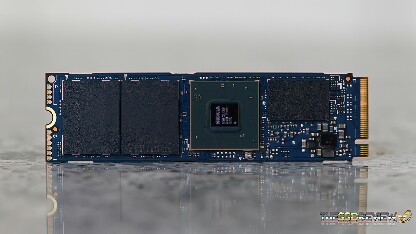
The VP4300 sits at the top of Patriot's Viper gaming SSD lineup, succeeding the earlier VP4100. Both the 1 TB and 2 TB variants use the same InnoGrit IG5236 eight-channel controller built on TSMC's 12 nm process, paired with Micron 96-layer TLC NAND and DDR4 DRAM cache from SK Hynix. The controller is a clean-sheet PCIe 4.0 design, not a repurposed PCIe 3.0 part like the Phison E16 that powered the VP4100.
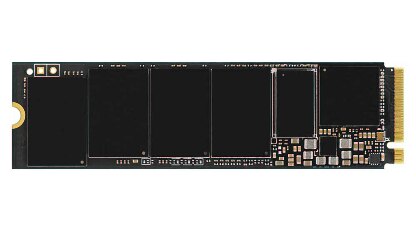
Internally the 1 TB model uses 16 NAND dies across four packages on a double-sided M.2 2280 PCB. Two 8 Gb SK Hynix DDR4 chips provide the DRAM cache, one on each side of the board. Because the drive is double-sided, it may not fit in some ultra-thin laptops, but it works in any standard desktop M.2 slot. Patriot includes two cooling options in the box: a thin graphene thermal label for tight-clearance builds and a more substantial 4 mm aluminum heatsink for desktop installations. The VP4300 also supports AES 256-bit hardware encryption.
Direct competitors at the same 1 TB capacity and PCIe 4.0 tier include the Samsung 980 Pro, WD Black SN850, and ADATA XPG S70 Blade, all of which use similar controller-plus-TLC architectures and target the same 7,000 MB/s-plus sequential read band. The VP4300 differentiates itself with a higher endurance rating than most of that group.
Storage Comparisons:
Viper VP4300 Performance & Benchmarks
Patriot rates the 1 TB VP4300 at up to 7,400 MB/s sequential reads and 6,800 MB/s sequential writes over the PCIe 4.0 x4 bus. Random performance is rated at up to 800,000 IOPS for both reads and writes. These are peak synthetic figures under ideal conditions; real-world throughput will vary depending on the platform, with AMD systems generally hitting higher sequential reads than Intel in synthetic benchmarks.
Patriot Viper VP4300 1 TB vs M.2 4.0 x 4 peers
Switch between sequential throughput and random IOPS to see how this drive stacks up against other M.2 4.0 x 4 SSDs in our database. The highlighted bar is the drive on this page — click any other bar to open that drive.
- Patriot Viper PV593 1 TB: 14,500 MB/s read, 14,000 MB/s write
- Patriot Viper PV593 2 TB: 14,500 MB/s read, 14,000 MB/s write
- Patriot Viper PV593 4 TB: 14,500 MB/s read, 14,000 MB/s write
- Patriot Viper PV573 2 TB: 14,000 MB/s read, 12,000 MB/s write
- Patriot Viper VP4300 1 TB (this drive): 7,400 MB/s read, 6,800 MB/s write
Independent reviewers testing the 2 TB variant found that the InnoGrit IG5236 plus Micron 96-layer TLC combination delivered sequential speeds competitive with the Samsung 980 Pro and WD Black SN850. The 1 TB model shares the same read rating but has fewer NAND dies for parallelism, so sustained write performance after the SLC cache fills will drop sooner than on the 2 TB variant. For everyday desktop use, gaming, and general productivity, the difference is largely academic. The drive handles game loads, OS boot, and file transfers with the responsiveness expected of a top-tier PCIe 4.0 NVMe. TweakTown's testing showed the firmware runs notably cooler than earlier InnoGrit designs, which is a welcome improvement for sustained workloads.
Patriot Viper VP4300 vs Competitors
See how the Viper VP4300 stacks up against other M.2 4.0 x 4 drives in our database:
Compare with rival drives:
Endurance, TBW & Warranty
The 1 TB VP4300 carries a 1,000 TBW endurance rating within a five-year warranty period. At a typical consumer write workload of 20 to 50 GB per day, that endurance figure translates to roughly 55 to 137 years before hitting the rated limit, which is effectively unlimited for any normal use pattern. The VP4300 uses InnoGrit's proprietary 4K LDPC error correction and end-to-end data path protection to maintain data integrity over the drive's lifespan. Patriot's warranty covers manufacturing defects and premature failure, and claims can be filed through Patriot's support portal or via the retailer where the drive was purchased.
Patriot Viper VP4300 1 TB Specifications
| Category | Value |
|---|---|
| Capacity [?] | 1 TB |
| Interface [?] | M.2 4.0 x 4 |
| Controller [?] | Innogrit Rainier IG5236 |
| Memory type [?] | Micron 3D TLC |
| DRAM [?] | SLC caching and SK Hynix DRAM |
| Read speed (MB/s) [?] | 7400 |
| Write speed (MB/s) [?] | 6800 |
| Read IOPS [?] | 800000 |
| Write IOPS [?] | 800000 |
| Endurance (TBW) [?] | 1000 |
| MTBF (million hours) [?] | 1800000 |
| Warranty (years) [?] | 5 |
Verdict: Is the Viper VP4300 Worth It in 2026?
The Patriot Viper VP4300 1 TB is a solid pick for builders who want PCIe 4.0 sequential speeds in the 7,000 MB/s class and value the included dual-heatsink options. Gamers and general enthusiasts will find the performance indistinguishable from the Samsung 980 Pro or WD Black SN850 in day-to-day use. Anyone already running a PCIe 3.0-only platform should skip this drive and save money on a PCIe 3.0 NVMe instead, since the VP4300 requires a PCIe 4.0-capable motherboard to reach its rated speeds. For PCIe 4.0 desktop builders, the VP4300 1 TB offers competitive performance and a higher TBW rating than most rivals at the same capacity.
+ Pros
- 7,400 MB/s sequential read speed
- 1,000 TBW endurance rating
- Includes both graphene label and aluminum heatsink
- AES 256-bit hardware encryption
- 5-year warranty
- InnoGrit IG5236 runs cooler than earlier designs
- Cons
- Double-sided PCB limits thin-laptop compatibility
- No dedicated SSD toolbox software included
- Higher idle power draw than some PCIe 4.0 rivals
- Requires PCIe 4.0 motherboard for rated speeds
Buy this or similar SSD Storage:



Video Review
World's Fastest M.2 PCIE Gen4 x4 2TB SSD - Patriot Viper VP4300